New Construction Phase Begins: First High-Speed Rail Turnouts Installed on Rail Baltica
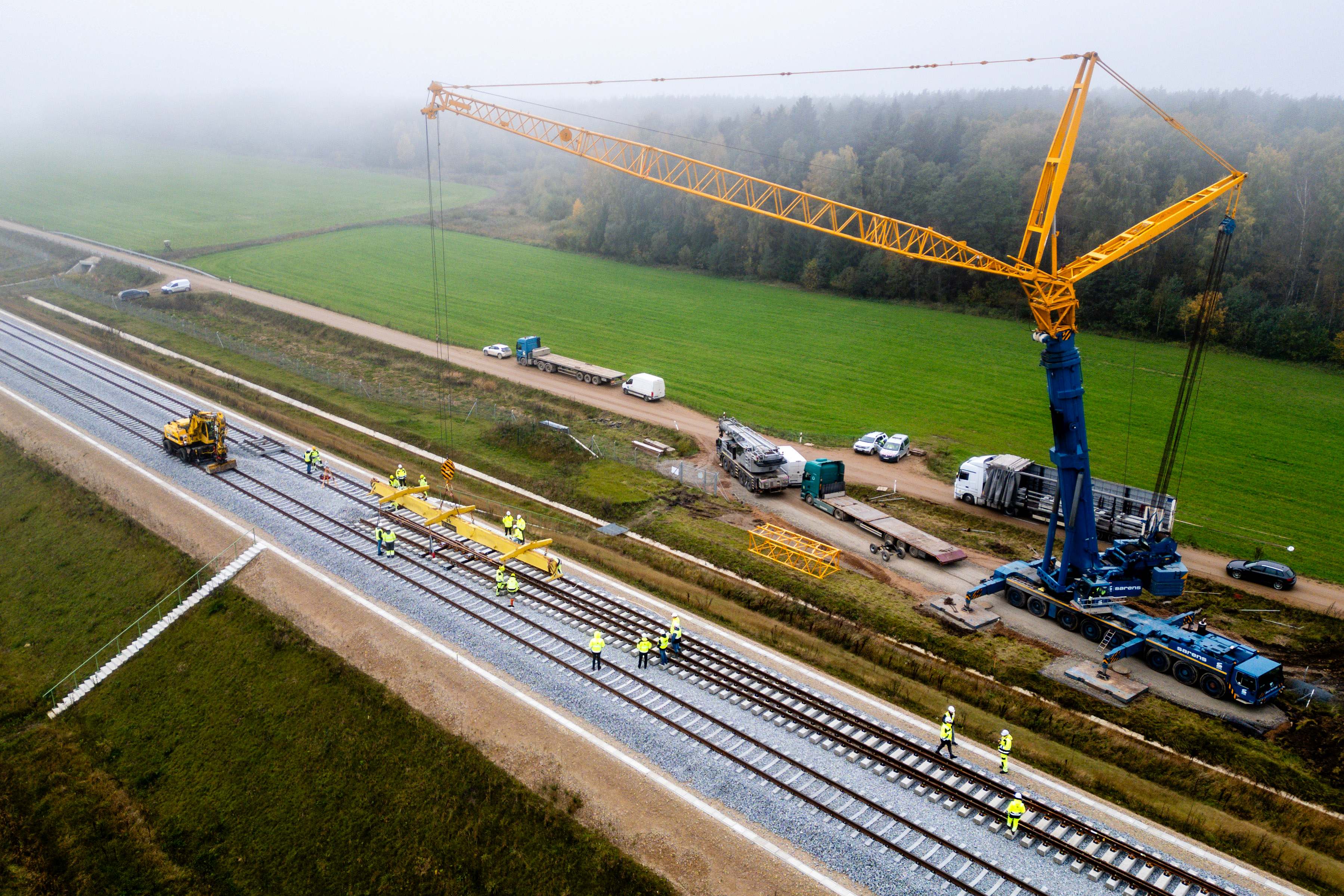
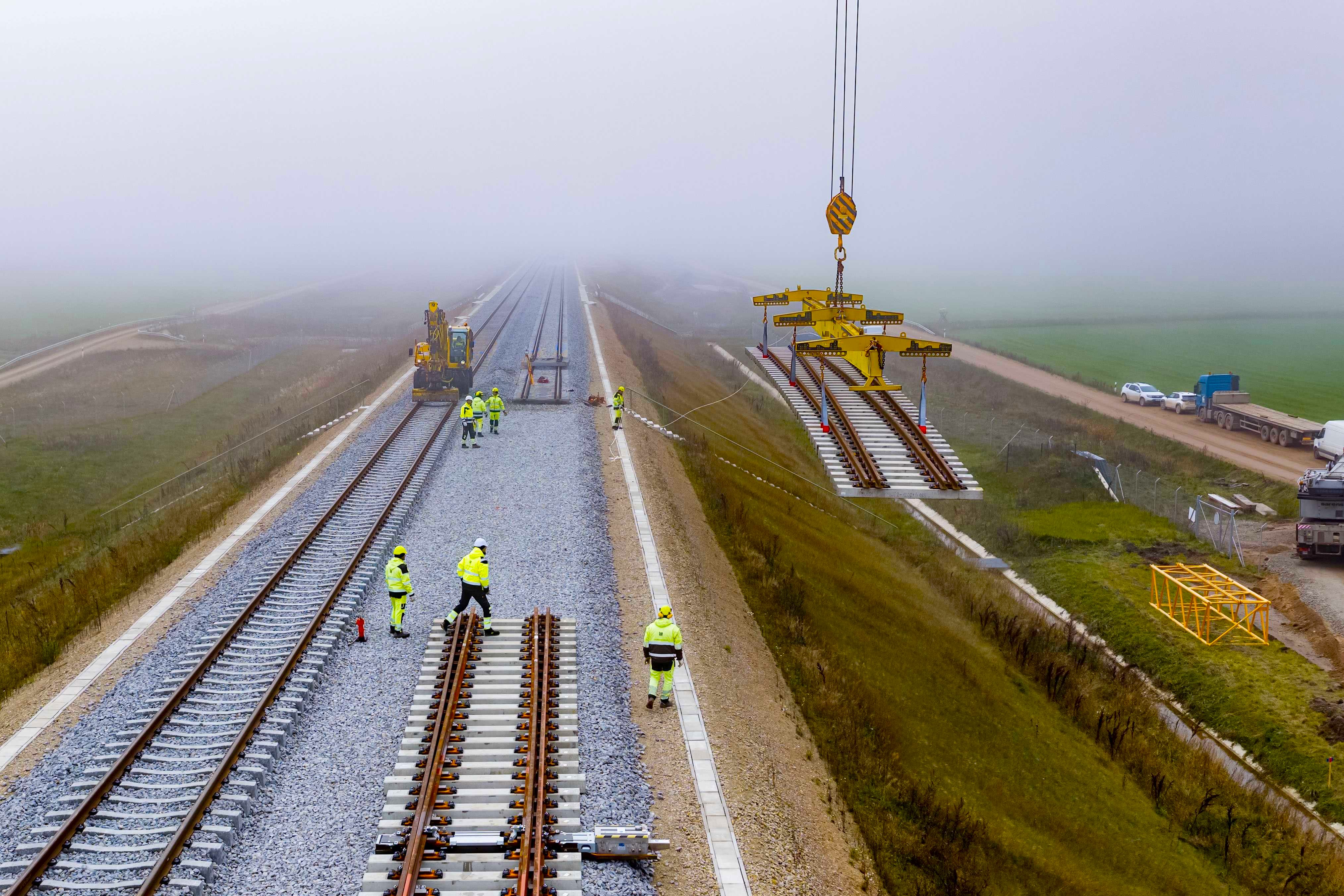
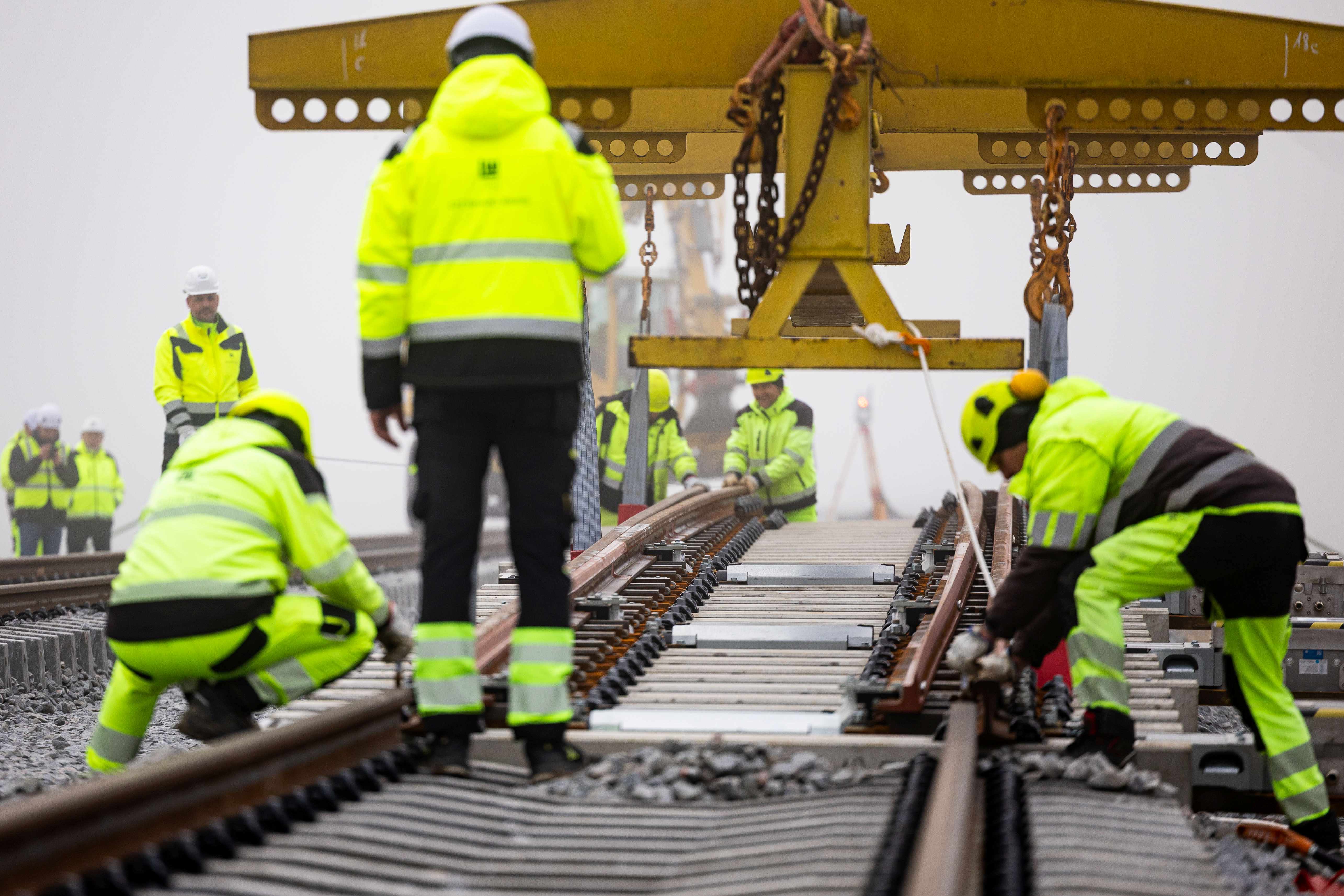
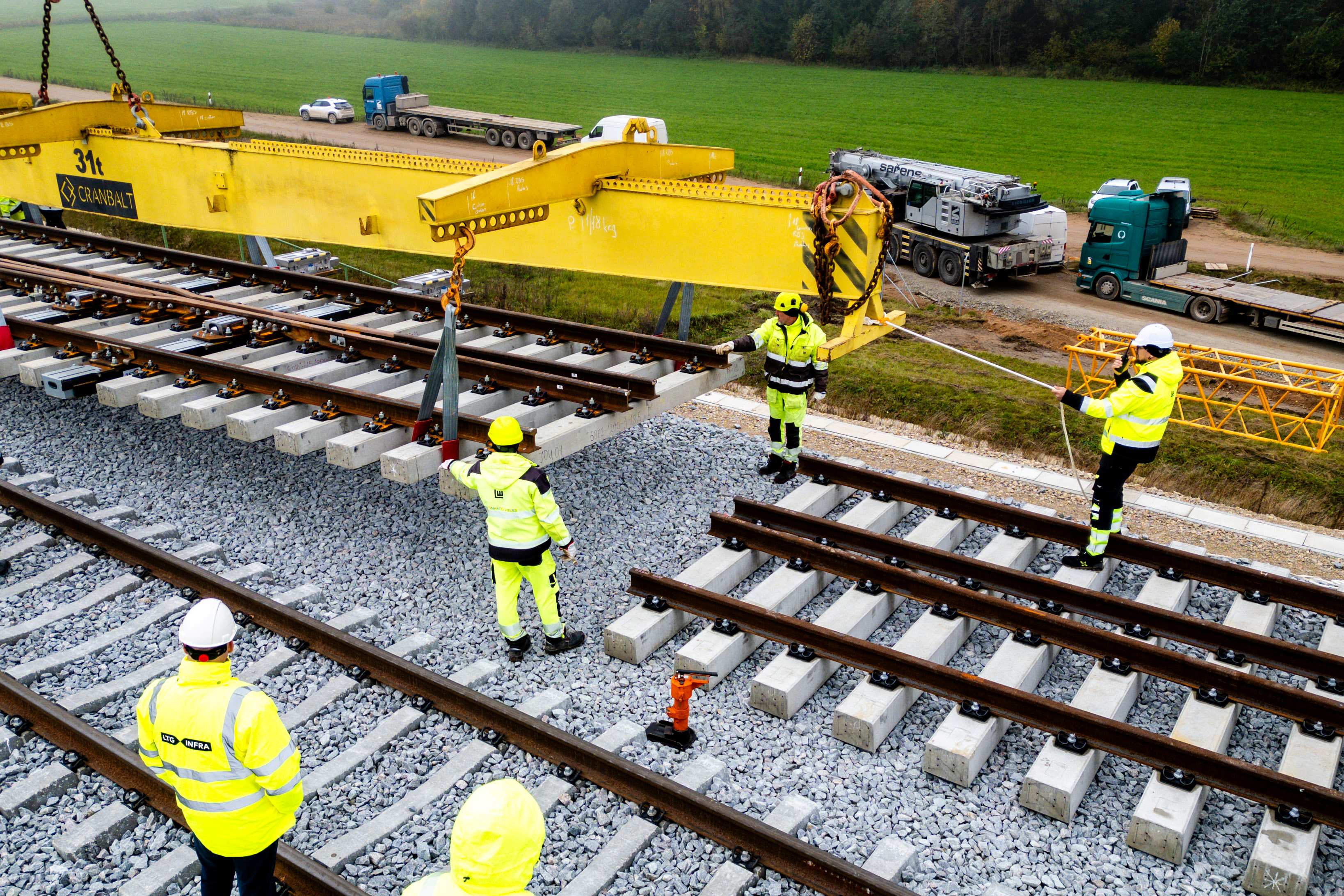
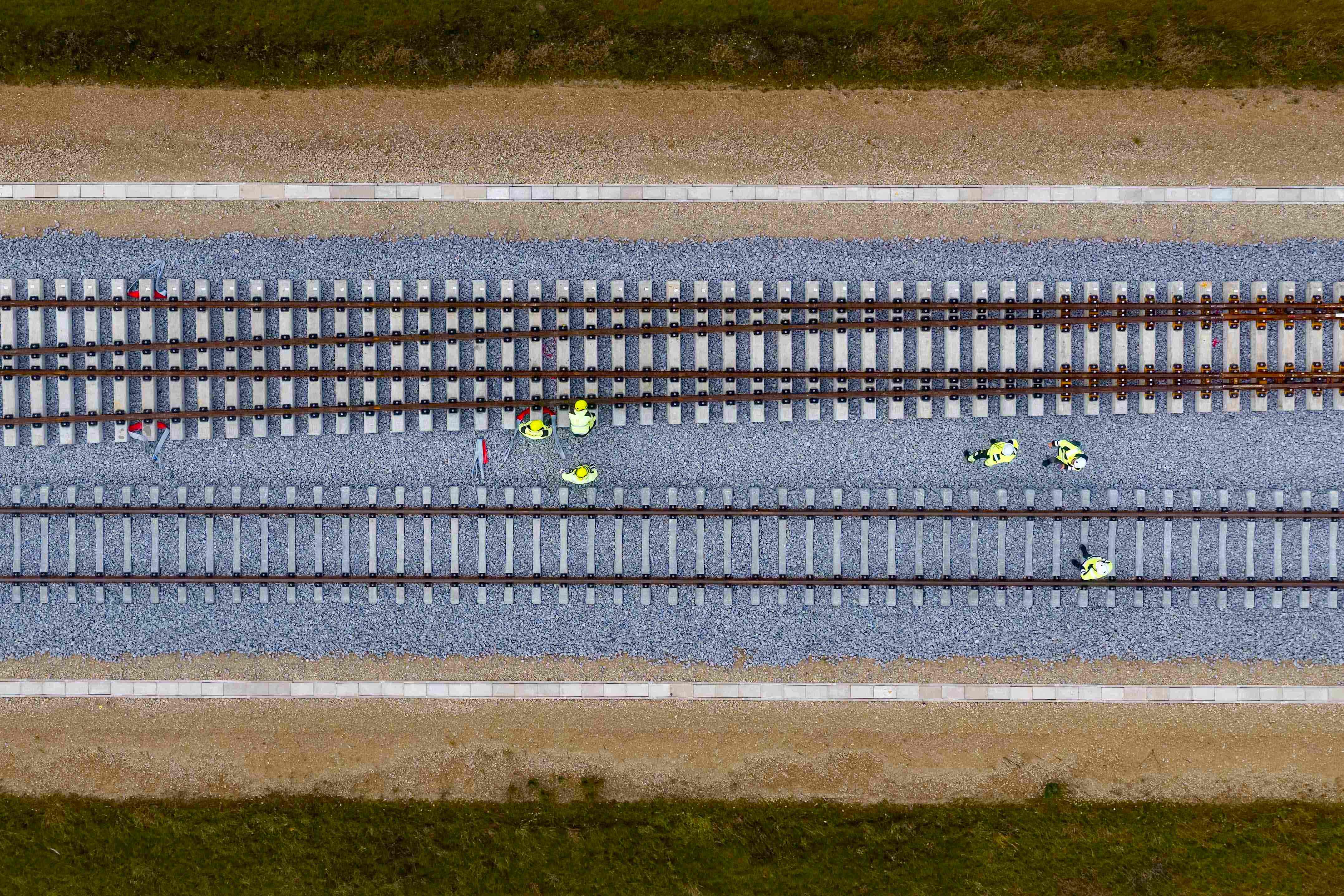
Installation has begun on one of the most critical elements of railway infrastructure, the first high-speed rail turnouts, on the most advanced section of Rail Baltica under construction in Lithuania. This marks another significant milestone in the development of the European-standard 1,435 mm gauge railway in the country.
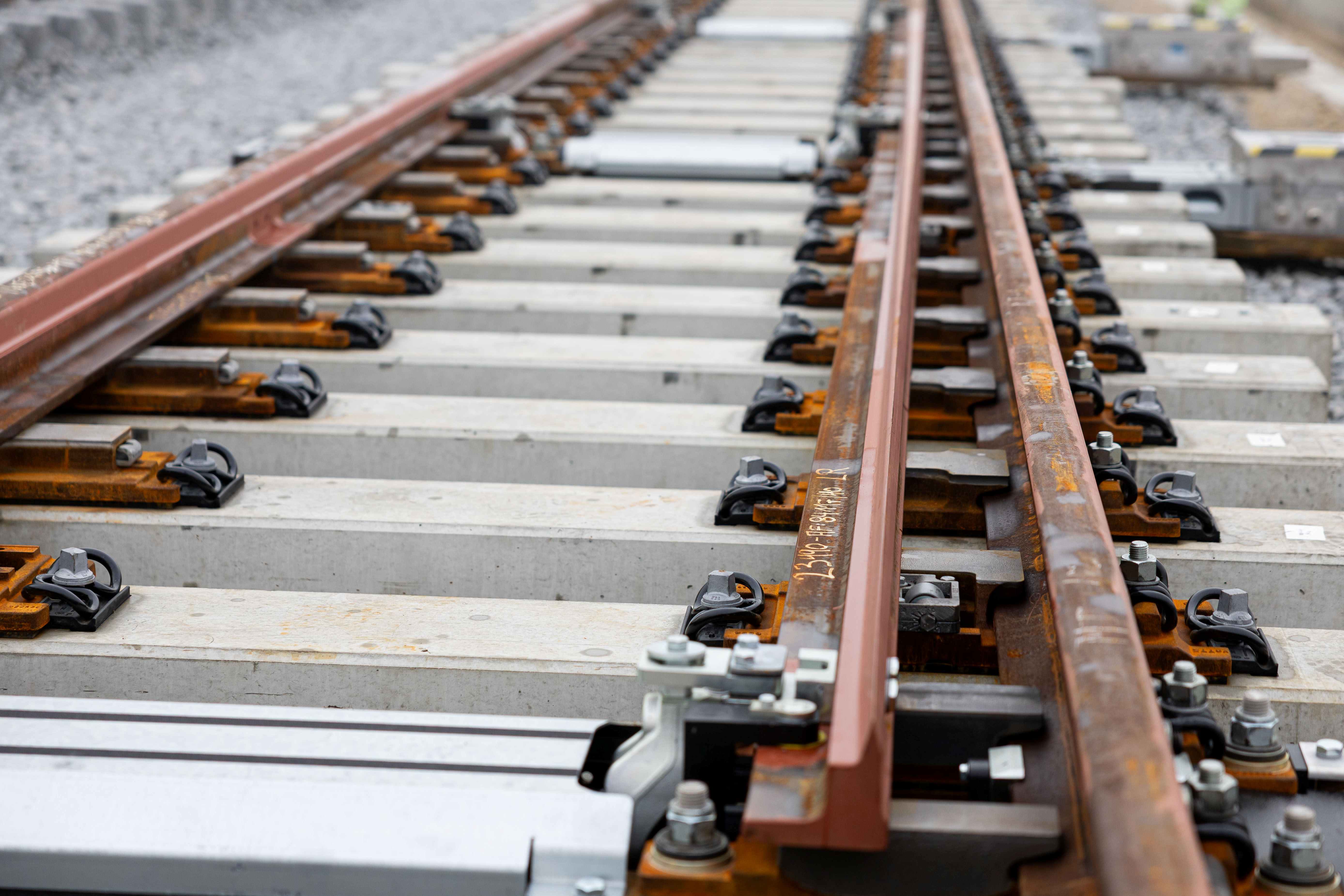
Turnouts are an essential component of railway infrastructure, enabling trains to safely change tracks and access stations, terminals, maintenance facilities and other infrastructure assets. Their reliability and precision are crucial to ensuring safe and efficient railway operations.
The turnouts used in the Rail Baltica project differ significantly from standard railway turnouts. Designed for speeds higher than 249 km/h, they are manufactured from the highest-quality materials, feature exceptionally precise geometry and offer greater resistance to operational loads.
“Rail Baltica is a gateway to Europe and a strategic investment in our region’s security. We are now entering a new phase of construction with the installation of high-speed rail turnouts. It is particularly fitting that the turnouts needed for one of the most significant infrastructure projects have been manufactured here in Lithuania,” said Deputy Minister of Transport and Communications Živilė Poželienė.
The turnouts are equipped with integrated sensor systems that will enable real-time monitoring of their technical condition and environmental factors, allow potential faults to be detected at an early stage and support more efficient infrastructure maintenance.
“Every element of Rail Baltica is being developed with the future needs of rail transport in mind. Turnouts are one of the most important components of the system, directly influencing the reliability of train operations for decades to come. Next-generation infrastructure is not only about increasing speed; above all, it ensures the highest safety standards without compromise,” says Mindaugas Ivanavičius, Rail Baltica in Lithuania Director.
The production of the European-standard 1,435 mm gauge turnouts is being carried out by voestalpine Railway Systems, while railway track construction works on the section are being delivered by the joint venture partners Leonhard Weiss International and Leonhard Weiss OÜ.
According to the contractor, this is the most technically complex stage of the project. A total of 16 turnouts will be installed along the nearly 9-kilometre Šveicarija-Žeimiai section. Installation is expected to continue until December this year.
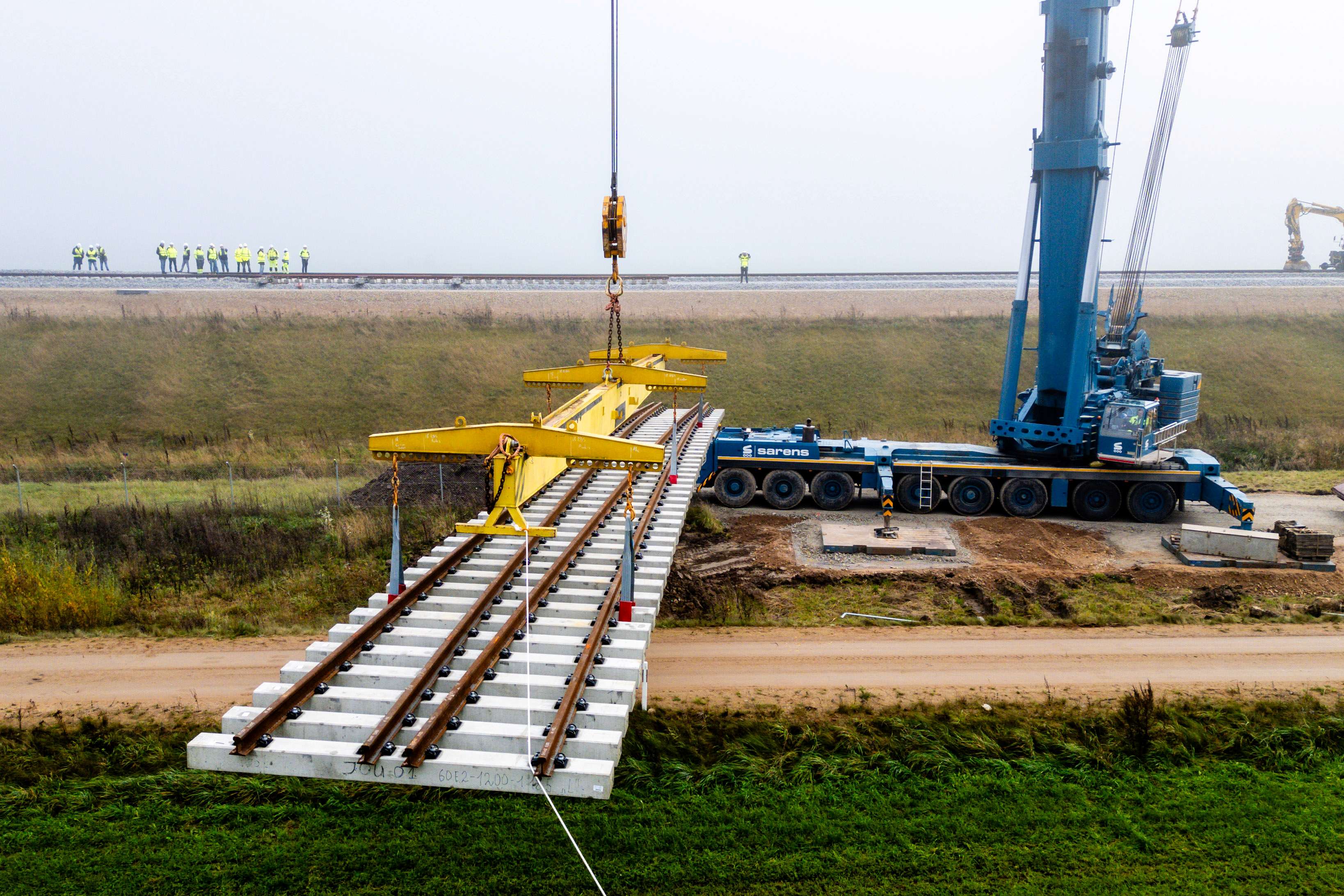
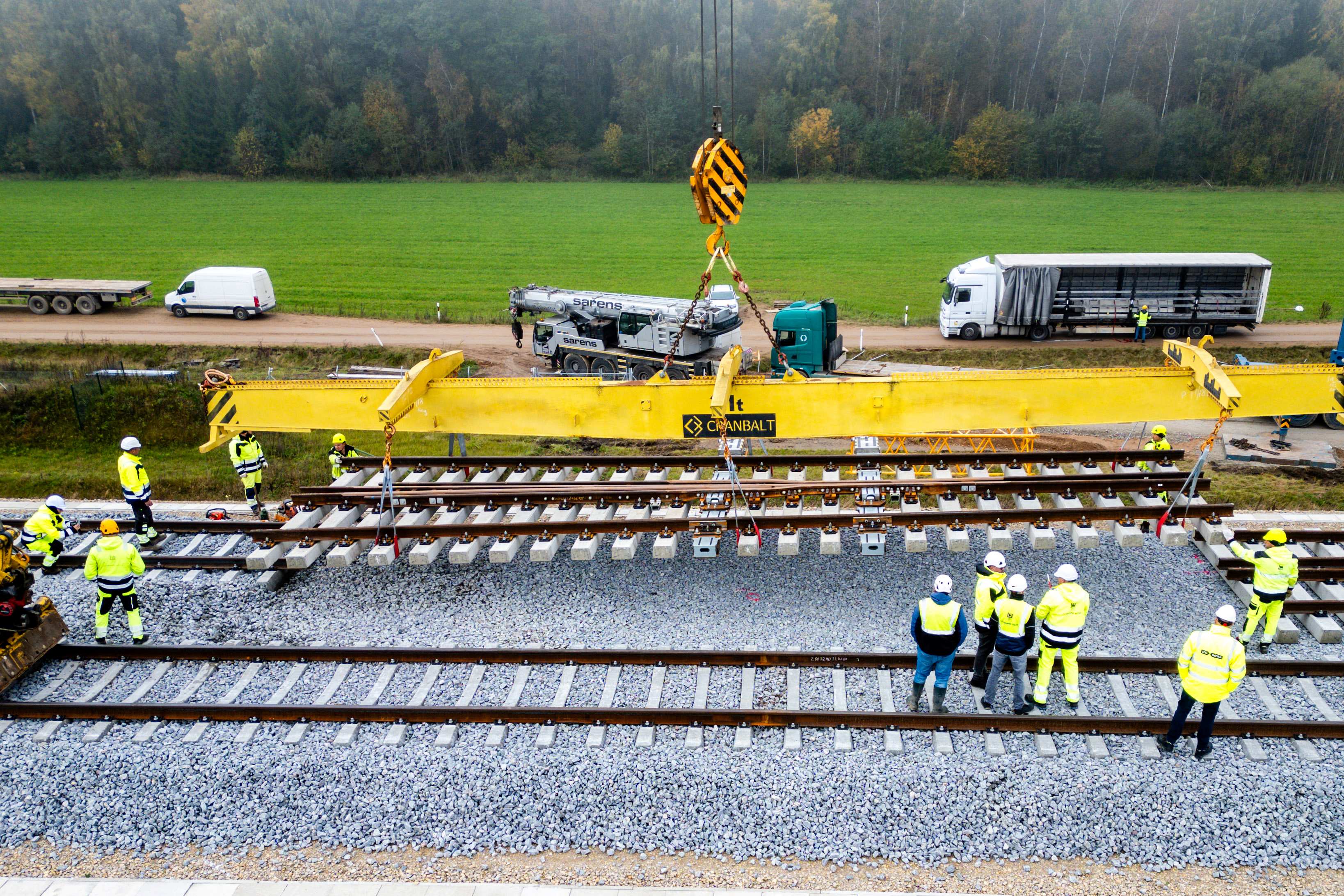
“The first turnout is being assembled from three structural units, the heaviest of which is an intermediate unit measuring 28 metres in length and weighing 30 tonnes. To lift and precisely position a structure of this size, we are using a mobile crane with a lifting capacity of 500 tonnes. These works require meticulous preparation and close coordination across the team to ensure that the turnout is installed safely, accurately and to the highest quality standards,” says Arnas Paulauskis, Project Manager at Leonhard Weiss OÜ.
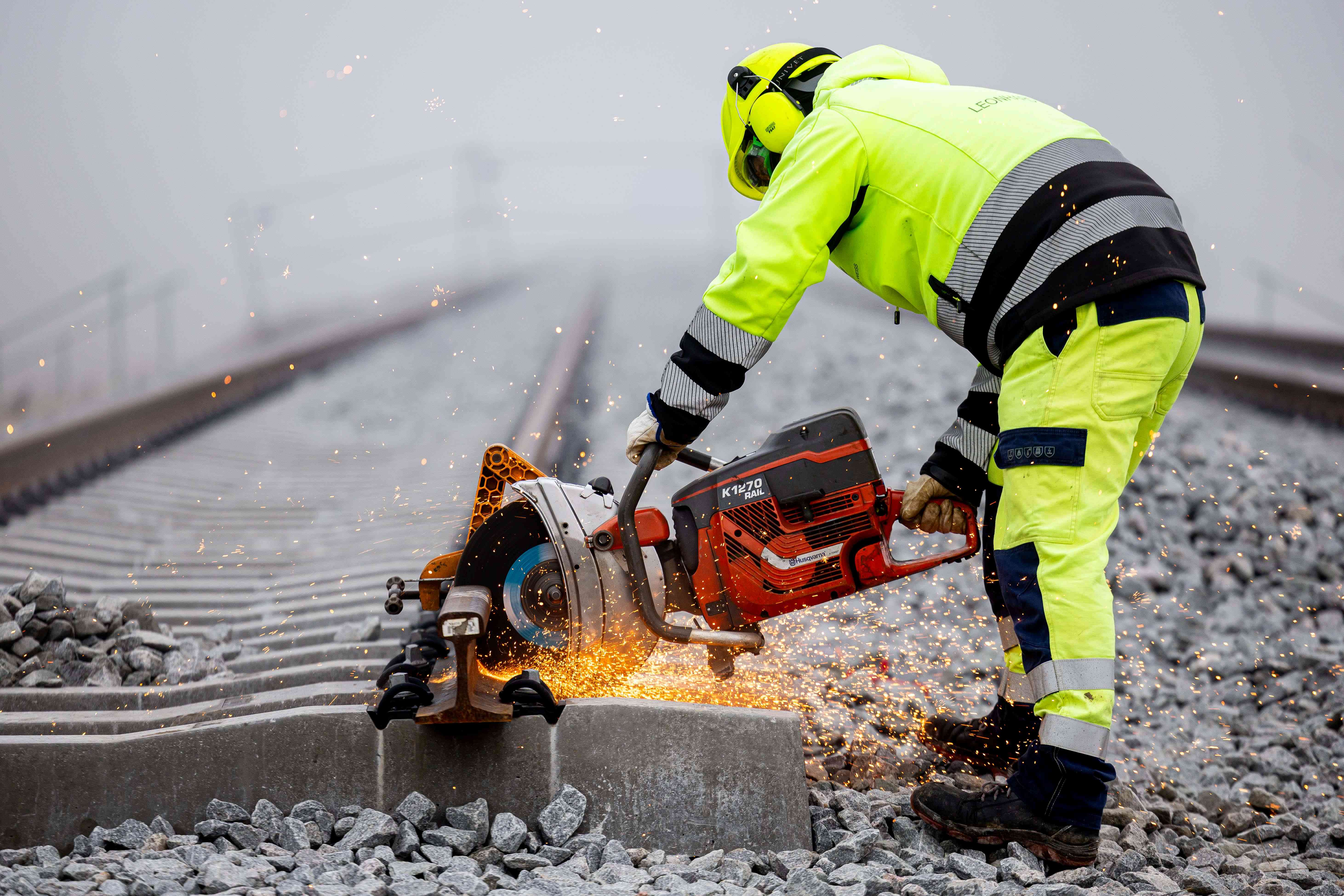
Both the turnouts and rails will be joined using the thermite welding method. This is one of the most reliable and widely used techniques for creating continuous welded rail on railway, tramway and crane tracks in field conditions.
Construction of Rail Baltica is currently underway on sections between Kaunas (Palemonas) and Panevėžys District. Following the completion of embankments and engineering structures, works have now progressed to the installation of the railway track superstructure. This will be followed by finishing works and the integration of railway subsystems.
Rail Baltica is a strategic project for the LTG Group, Lithuania, and the European Union, and it is the largest railway infrastructure project in the history of the Baltic States. Once completed, it will deliver an electrified European standard gauge railway line connecting Lithuania, Latvia, and Estonia with Central and Western Europe, strengthening regional integration, civil and military mobility, and the overall resilience of the transport system.