Additional Funding Allocated to Rail Baltica – Progress Presented During Meeting with CINEA Representatives
The European Climate, Infrastructure and Environment Executive Agency (CINEA) and RB Rail AS – the joint venture of the three Baltic States – have signed an additional funding agreement for the Rail Baltica project. An additional €295.5 million in European Union (EU) investment has been allocated to the project under the Connecting Europe Facility (CEF) program, with approximately €95 million allocated to Lithuania.
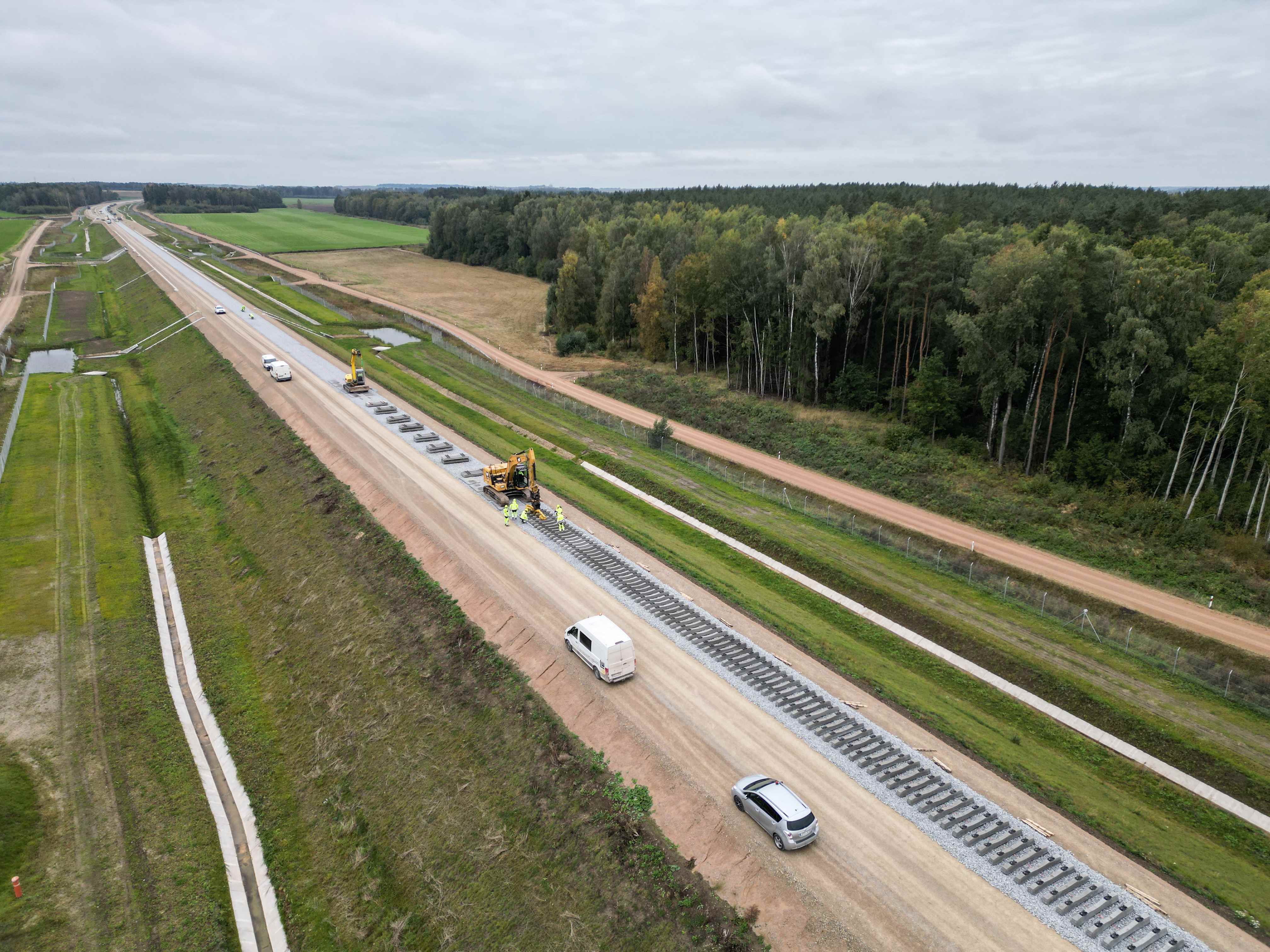
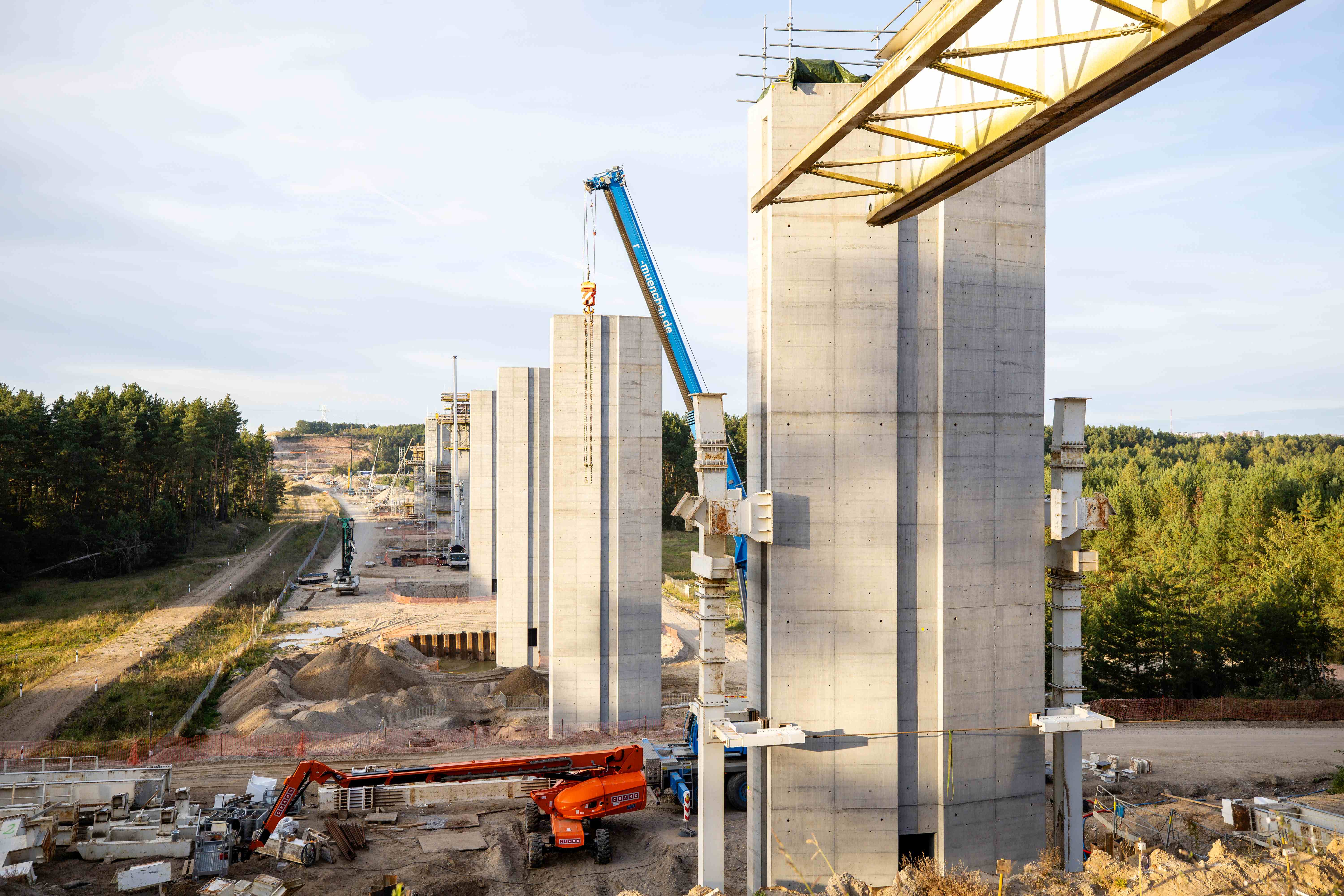
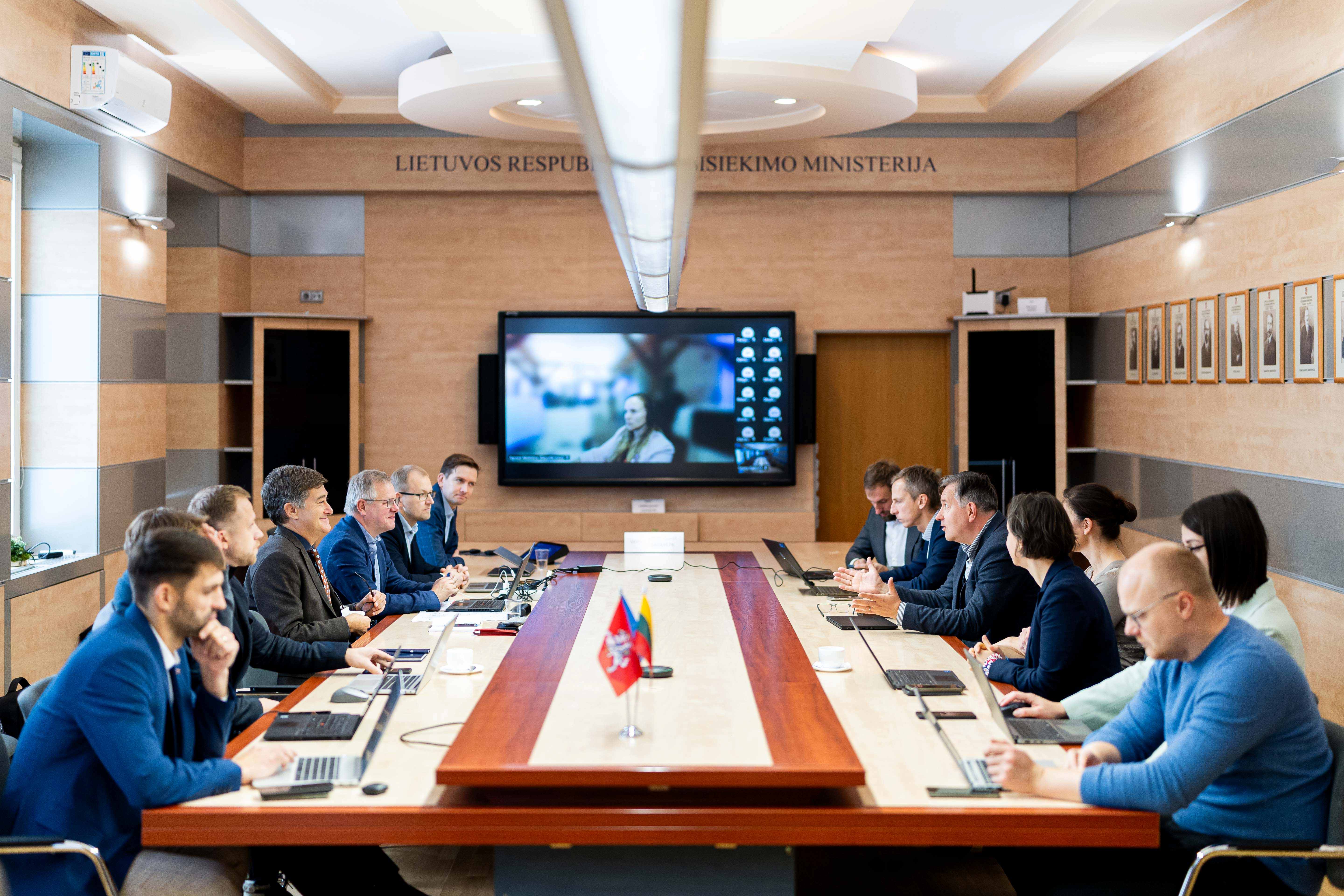
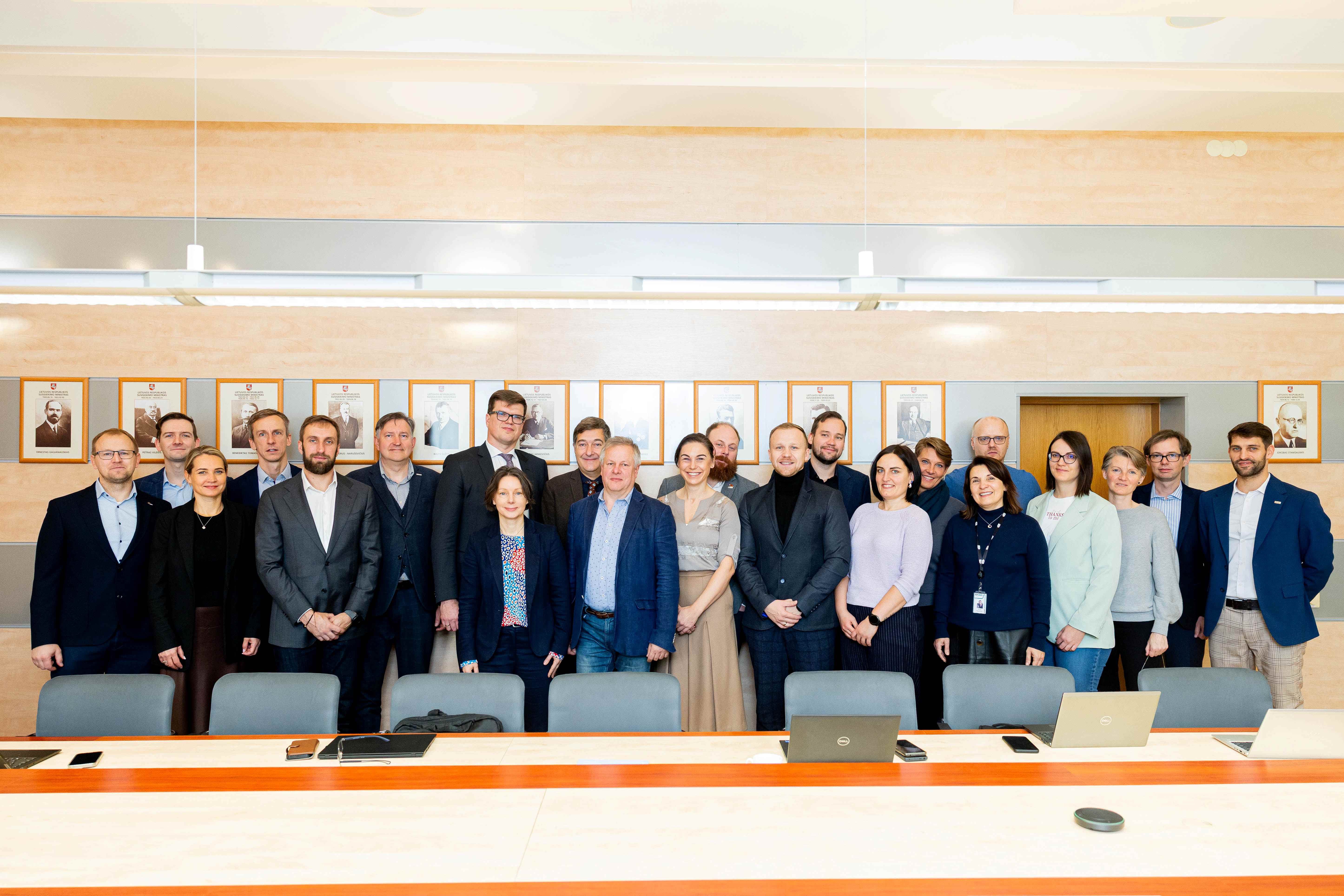
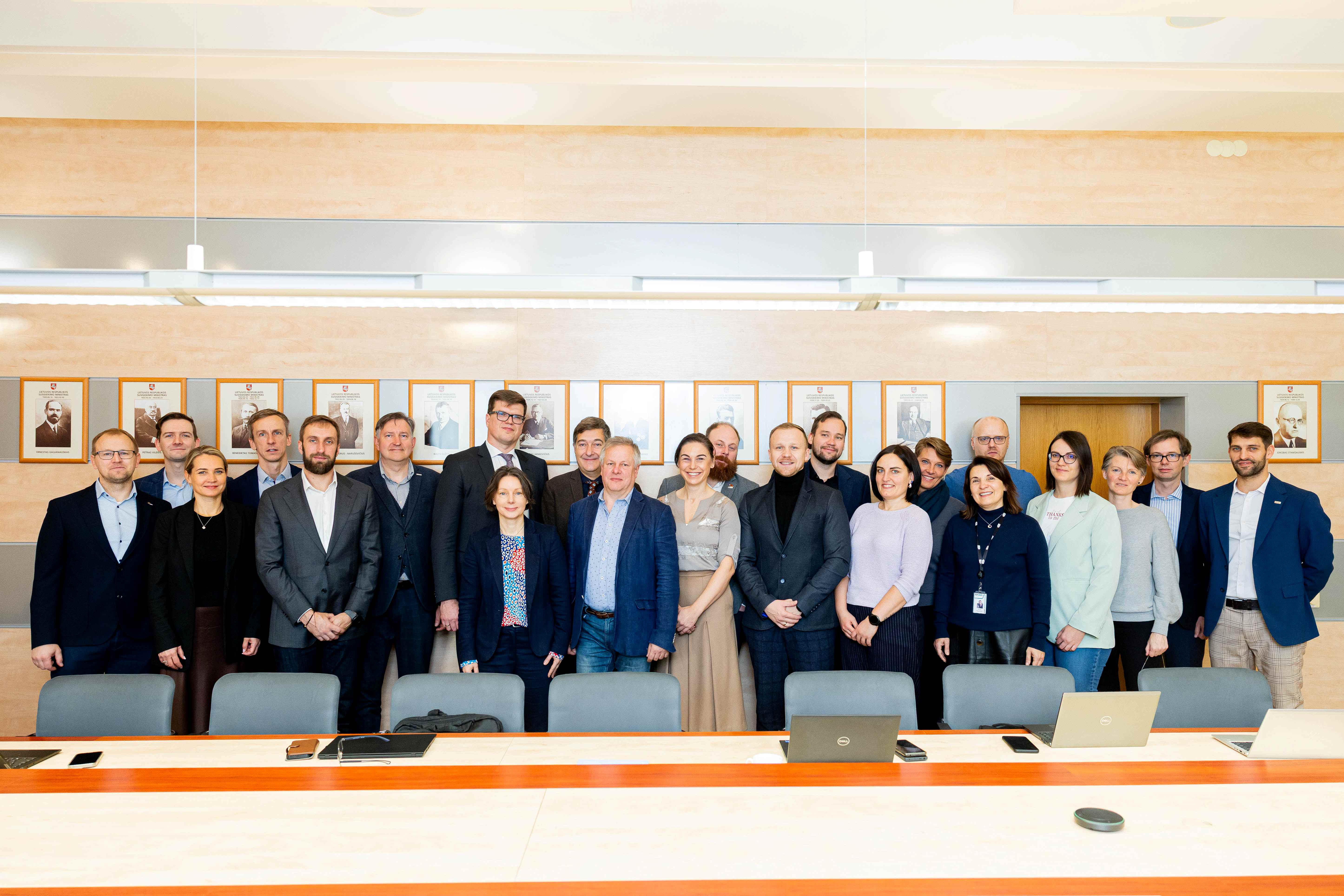
On October 21–22, a meeting between CINEA representatives and project implementers was also held to discuss the development of the European-gauge railway in Lithuania. It was emphasized that, with the help of EU investments from the 2014–2020 period, the project has made significant progress – railway embankments and engineering structures are currently under construction in the Jonava district.
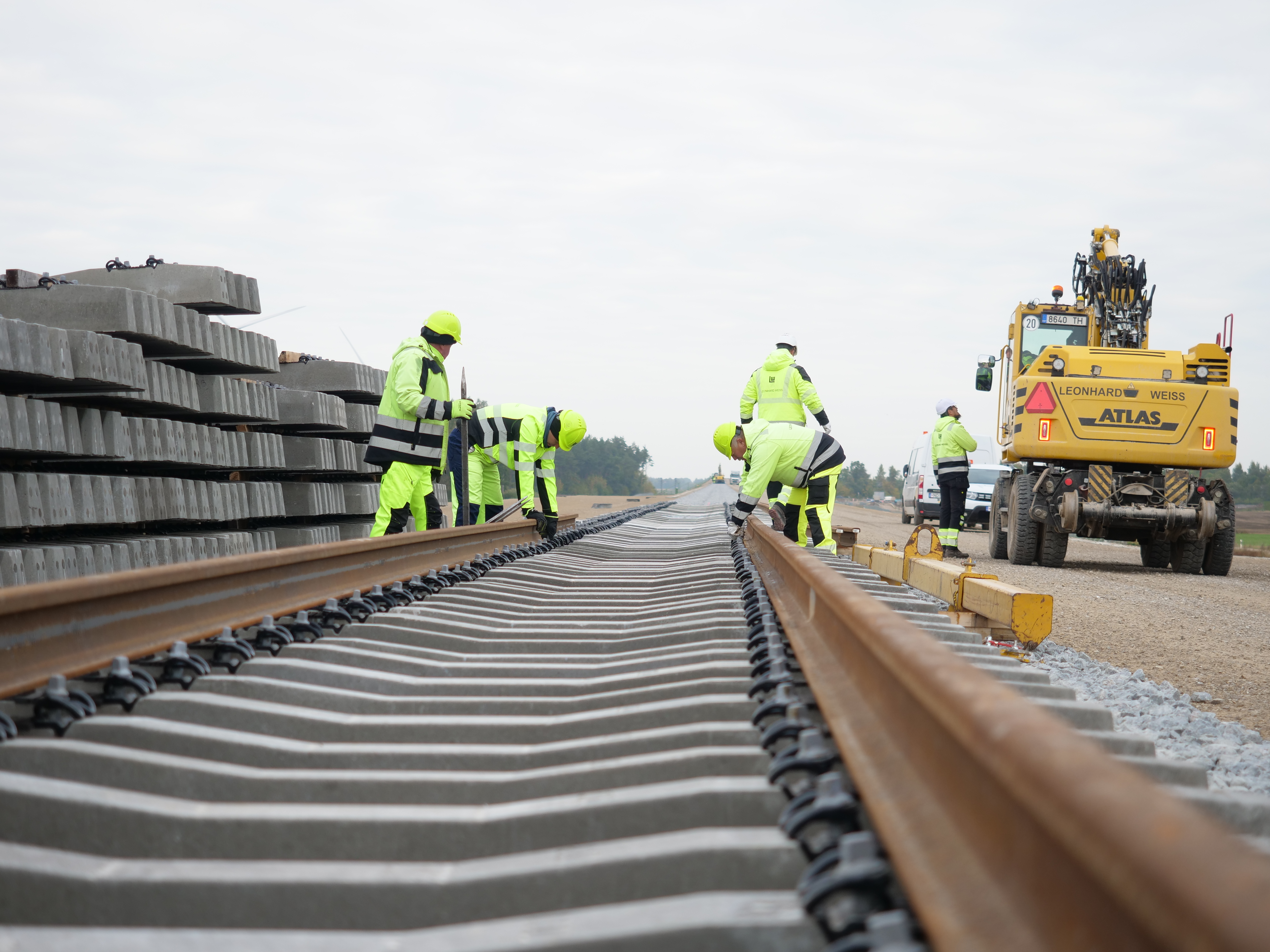
“The construction of Rail Baltica in Lithuania is progressing steadily – the first sections of European-gauge track are already being laid, and soon construction between Kaunas and Panevėžys will extend across a 114-kilometre stretch. Together with our European partners, we are also actively preparing for other major work to be carried out under the next Multiannual Financial Framework. Our goal remains firm and unwavering: to further accelerate the pace of Rail Baltica’s construction and to strengthen our connectivity and military mobility with the rest of Europe,” noted Tomas Daukantas, Chancellor of the Ministry of Transport and Communications of Lithuania.
According to Egidijus Lazauskas, CEO of LTG Group, it is symbolic that the funding agreement was signed during the visit of CINEA representatives to the Rail Baltica construction sites in Lithuania.
“We had the opportunity to demonstrate that the Rail Baltica project in Lithuania is gaining momentum. This is evident from the progress in both design and construction. The meeting with CINEA was a valuable opportunity to demonstrate the progress made and discuss the next steps with our partners in Europe,” says Lazauskas.
Reviewed progress in Lithuania
During the meeting with CINEA representatives, the progress of the Rail Baltica project in Lithuania was reviewed. With EU funding from the 2014–2020 period, approved design solutions and archaeological and explosive detection surveys were carried out on the sections from Kaunas to the Lithuanian–Latvian border. Construction of embankments and engineering structures was also undertaken on priority sections.
On the Šveicarija–Žeimiai–Šėta section, the construction of 27.7 km of embankments and associated engineering structures is nearing completion. This section also includes 32 km of local connecting roads and related infrastructure along the Rail Baltica railway corridor. Construction of a bridge over the Neris River and 8.8 km of track laying is currently underway.
Land-use planning and environmental impact assessments have already been completed for the sections from the Polish border to Kaunas, as well as the Kaunas railway node. Land acquisition processes have commenced on various sections, including the Kaunas node and the stretch between the Lithuanian–Polish border and Kaunas, while design work is underway.
Funding for mainline construction
Additional funds allocated to this strategic infrastructure project will continue to support the development of priority sections along the Polish–Lithuanian and Lithuanian–Latvian borders, including construction, design, and land acquisition activities.
To date, Lithuania has secured approximately €1.6 billion in funding for the Rail Baltica project. Up to 85% of this amount is financed by EU funds through the Connecting Europe Facility (CEF), with the remaining share covered by Lithuanian state contributions. The CEF Transport program supports the development and modernization of transport infrastructure across the EU.
Rail Baltica is a strategic project for both the LTG Group and the European Union and is the largest railway infrastructure project in the history of the Baltic States. Once completed, it will deliver an electrified European standard gauge railway line connecting Lithuania, Latvia, and Estonia with Central and Western Europe, strengthening regional integration, civil and military mobility, and the overall resilience of the transport system.