Advancing discussions on ending seasonal clock changes: Minister Taminskas holds talks with Swedish and French counterparts
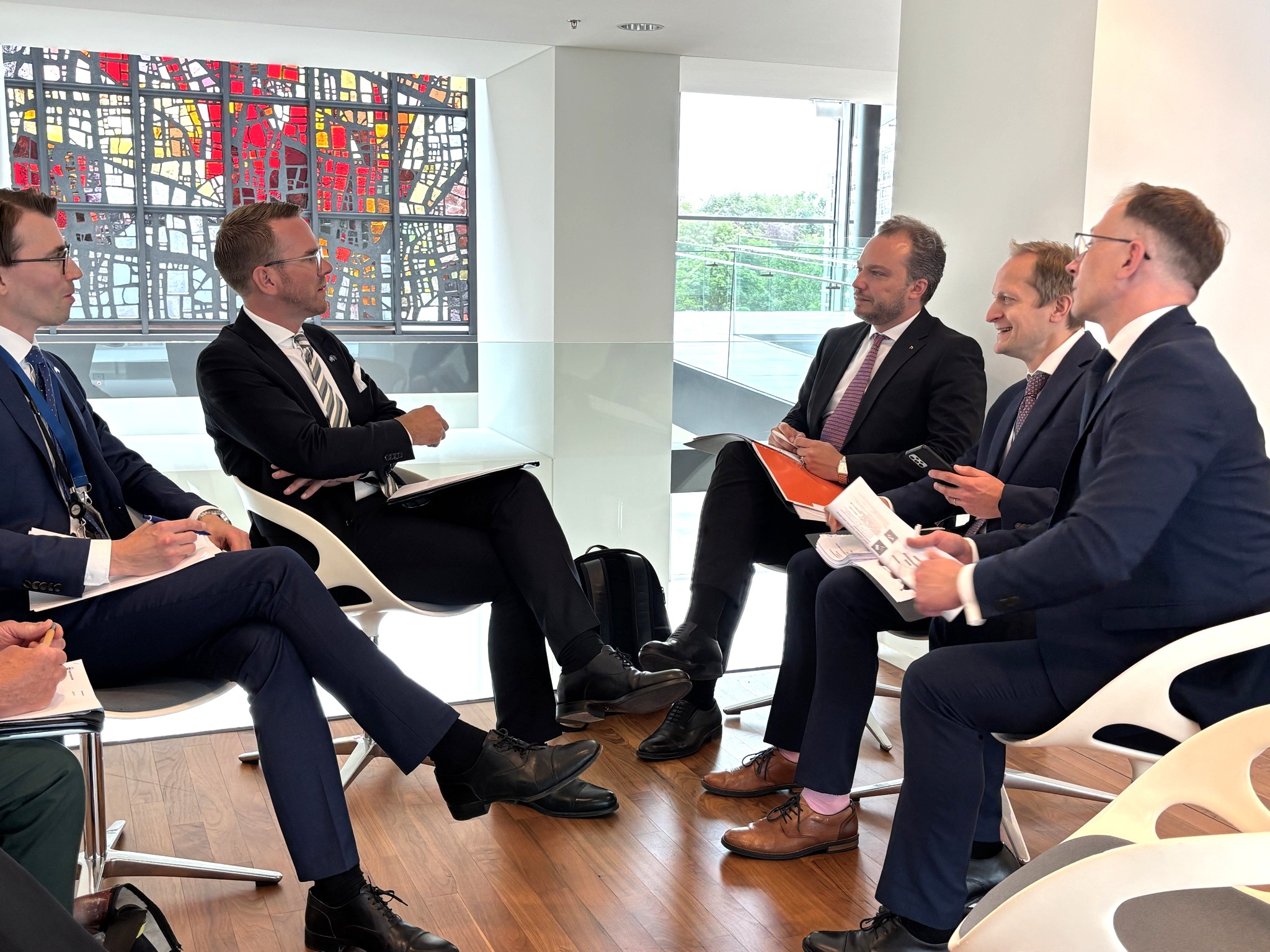
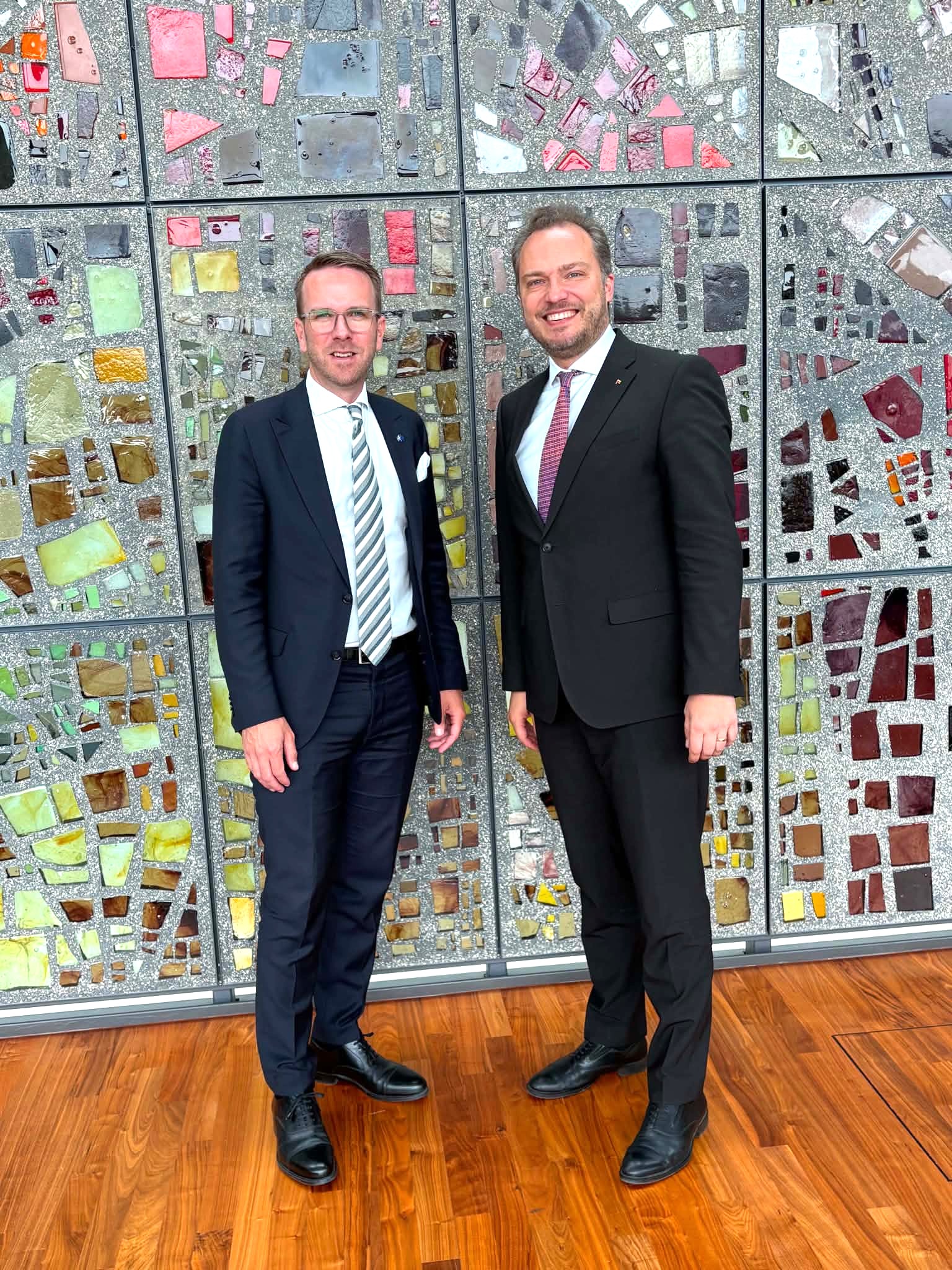
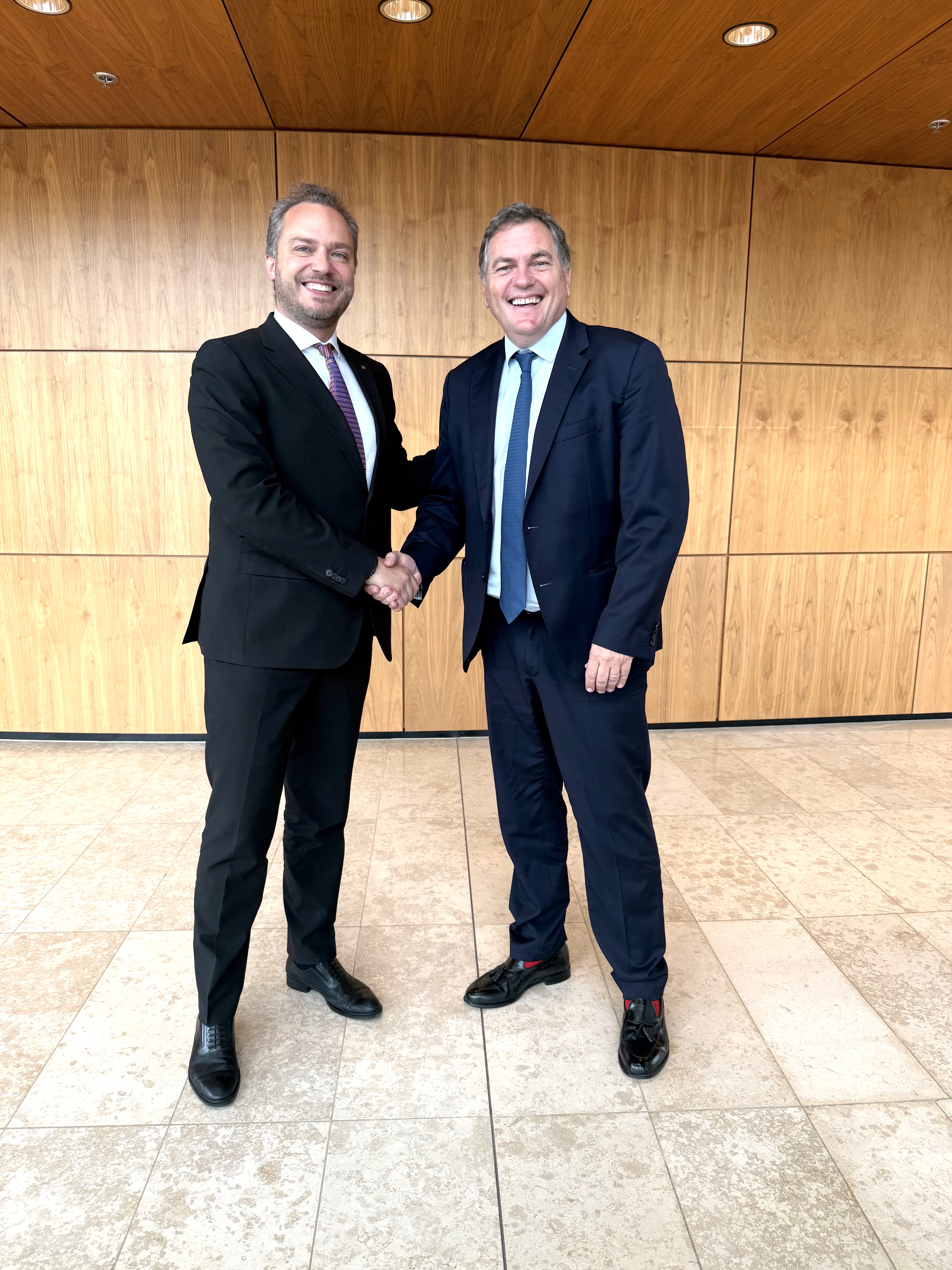
In Luxembourg, Lithuania’s Minister of Transport and Communications, Juras Taminskas, met with Sweden’s Minister for Infrastructure, Andreas Carlson, and France’s Minister for Transport, Philippe Tabarot, to discuss the possibility of ending seasonal clock changes across the European Union (EU). He emphasised that the issue is not whether summer or winter time is applied, but the practice of changing the clock itself.
“We are not merely passive observers of a situation that has been a persistent concern for Europeans for decades. I am actively engaged on this issue – today I discussed the possibility of halting seasonal clock changes with my counterparts from Sweden and France. I also noted the intention to take this forward next year, as it is among Lithuania’s priorities during its Presidency of the Council of the European Union,” said Minister Taminskas.
Earlier this spring, Juras Taminskas approached ministers from Estonia, Latvia, Poland, Finland and Sweden, advocating coordinated action across the Baltic and Nordic region. He is now broadening these consultations to include Southern European countries.
While most citizens favour ending seasonal clock changes, a final decision requires consensus among EU Member States. The biannual time change is implemented across the EU under the binding EU Directive on summer-time arrangements. Seasonal time is applied in the majority of European countries and in several other countries globally.
The European Parliament has voted in favour of abolishing the biannual clock changes and allowing Member States to choose a permanent time; however, the legislation remains stalled.
The European Commission has also launched a new impact assessment on the discontinuation of seasonal clock changes, engaging Member State authorities and stakeholders at EU and national level. The assessment covers a broad range of areas, including the internal market, transport, public health, safety and agriculture.
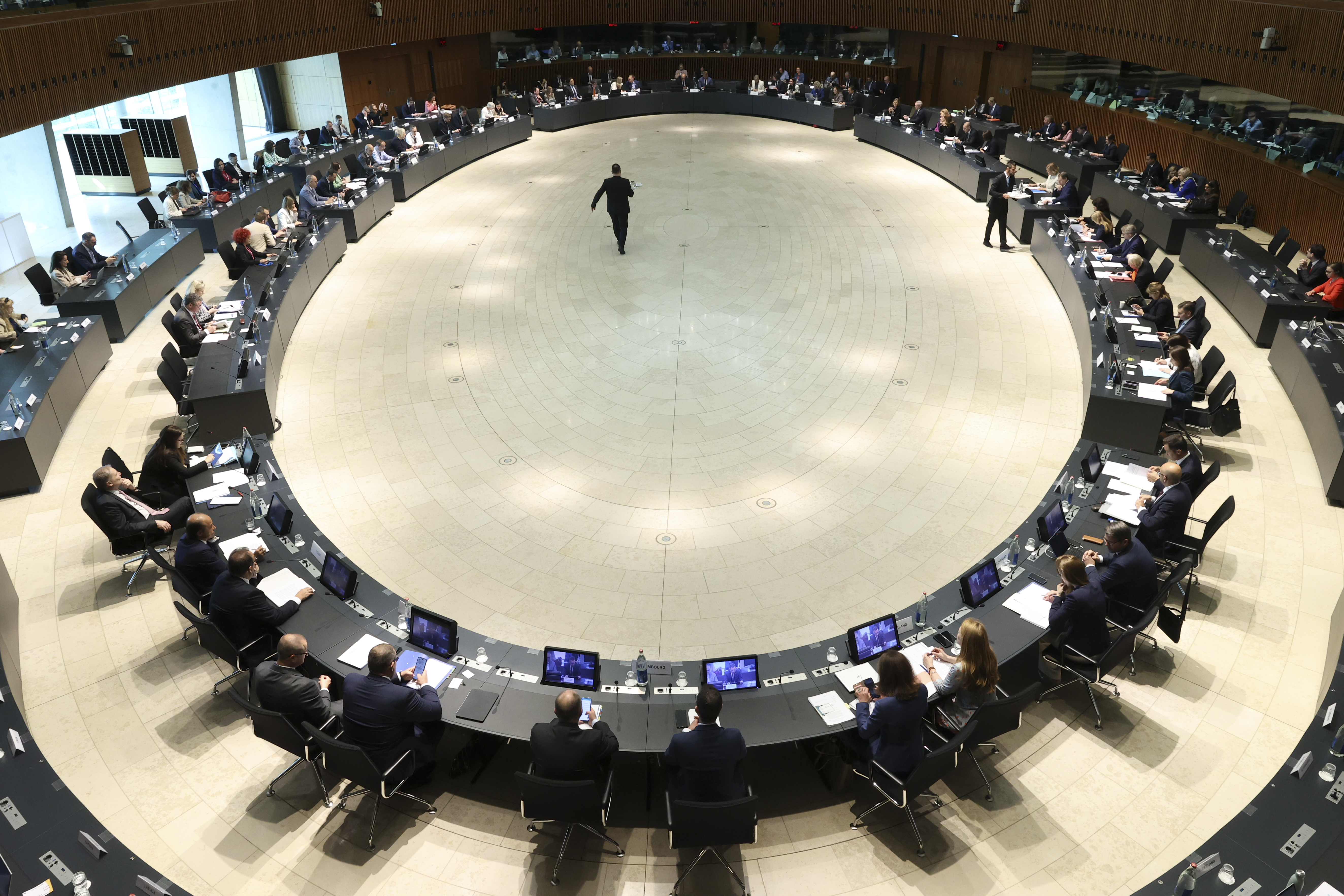
Photo courtesy of the European Union