Minister Sabutis: New trains will begin operating in Lithuania as early as next year
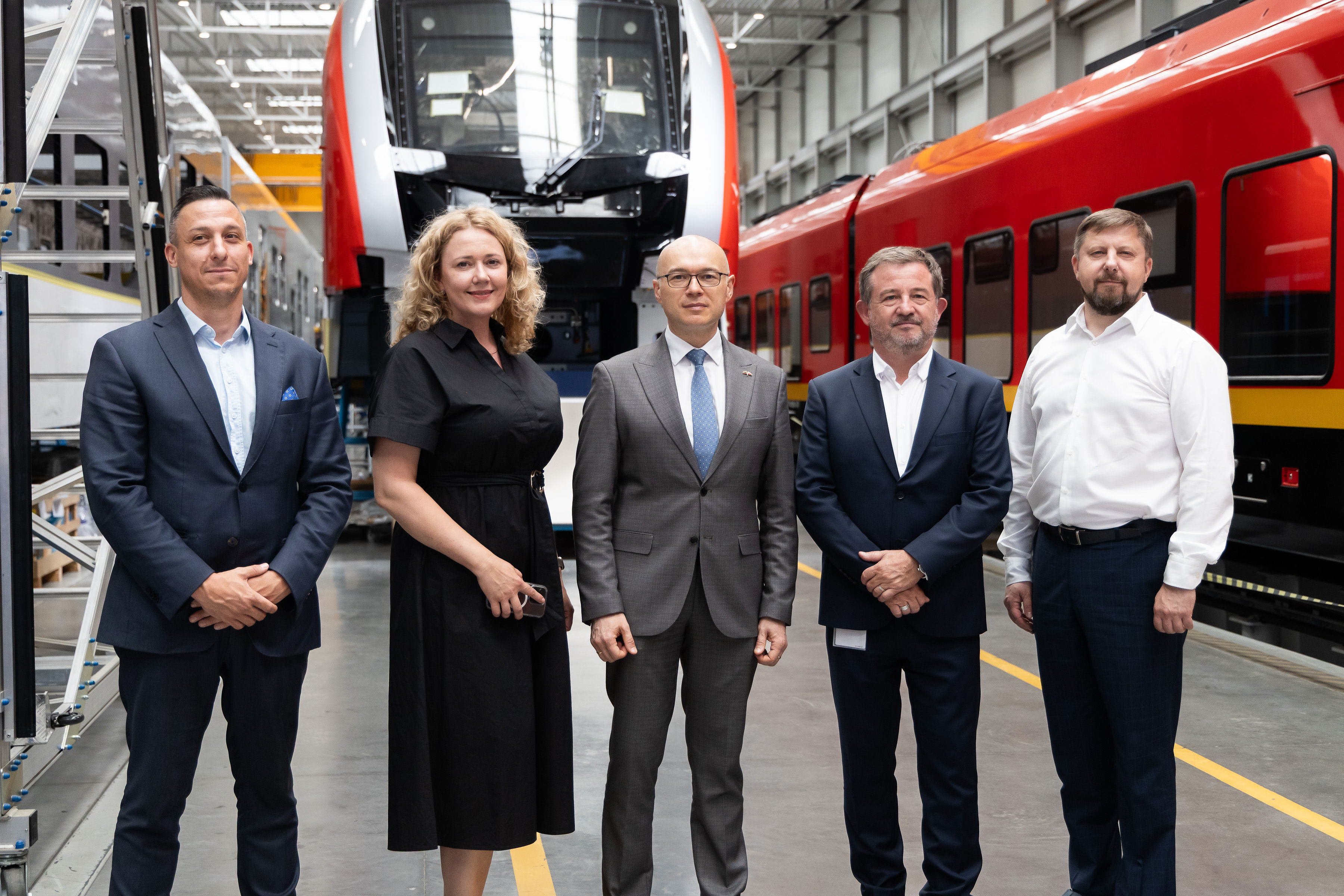
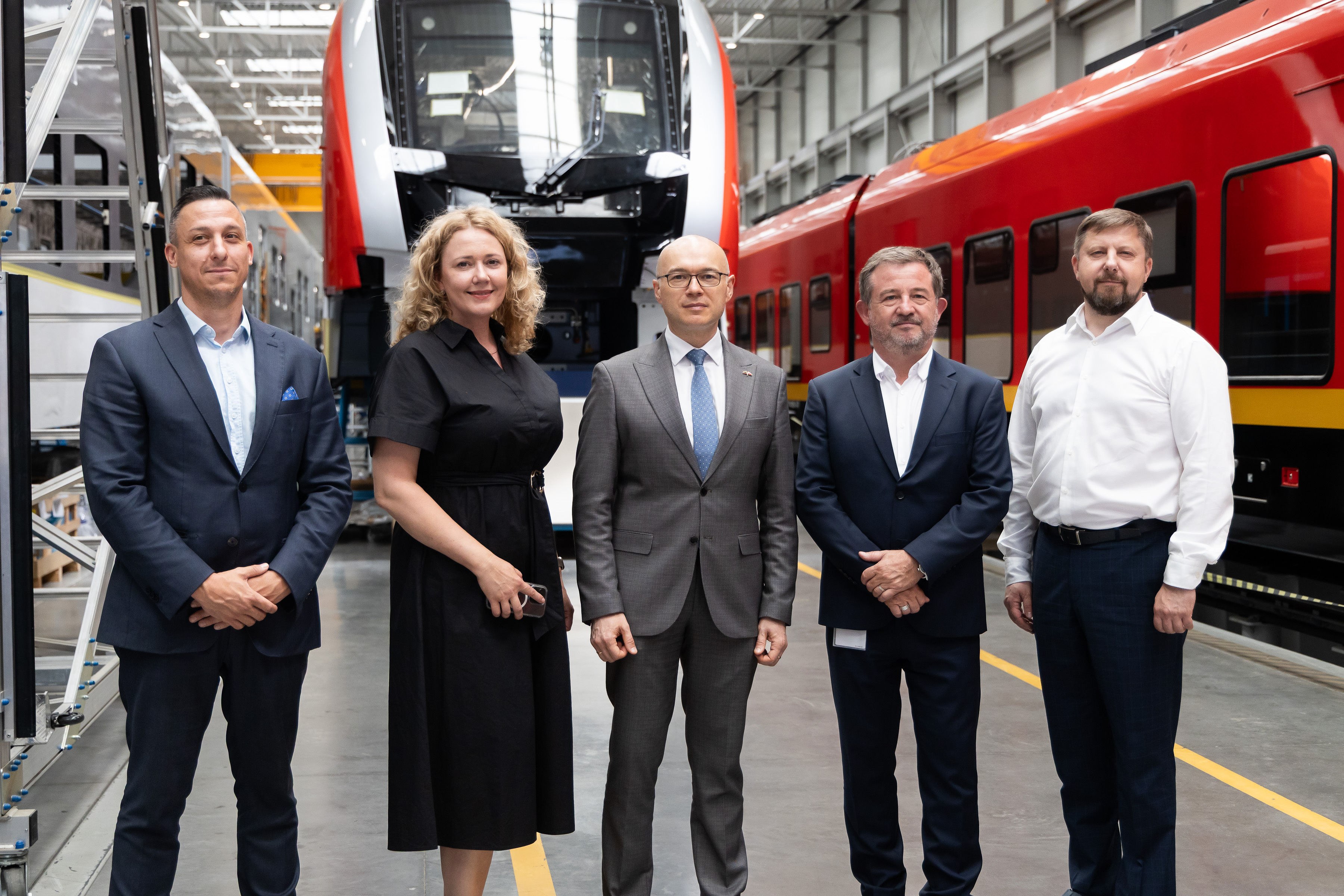
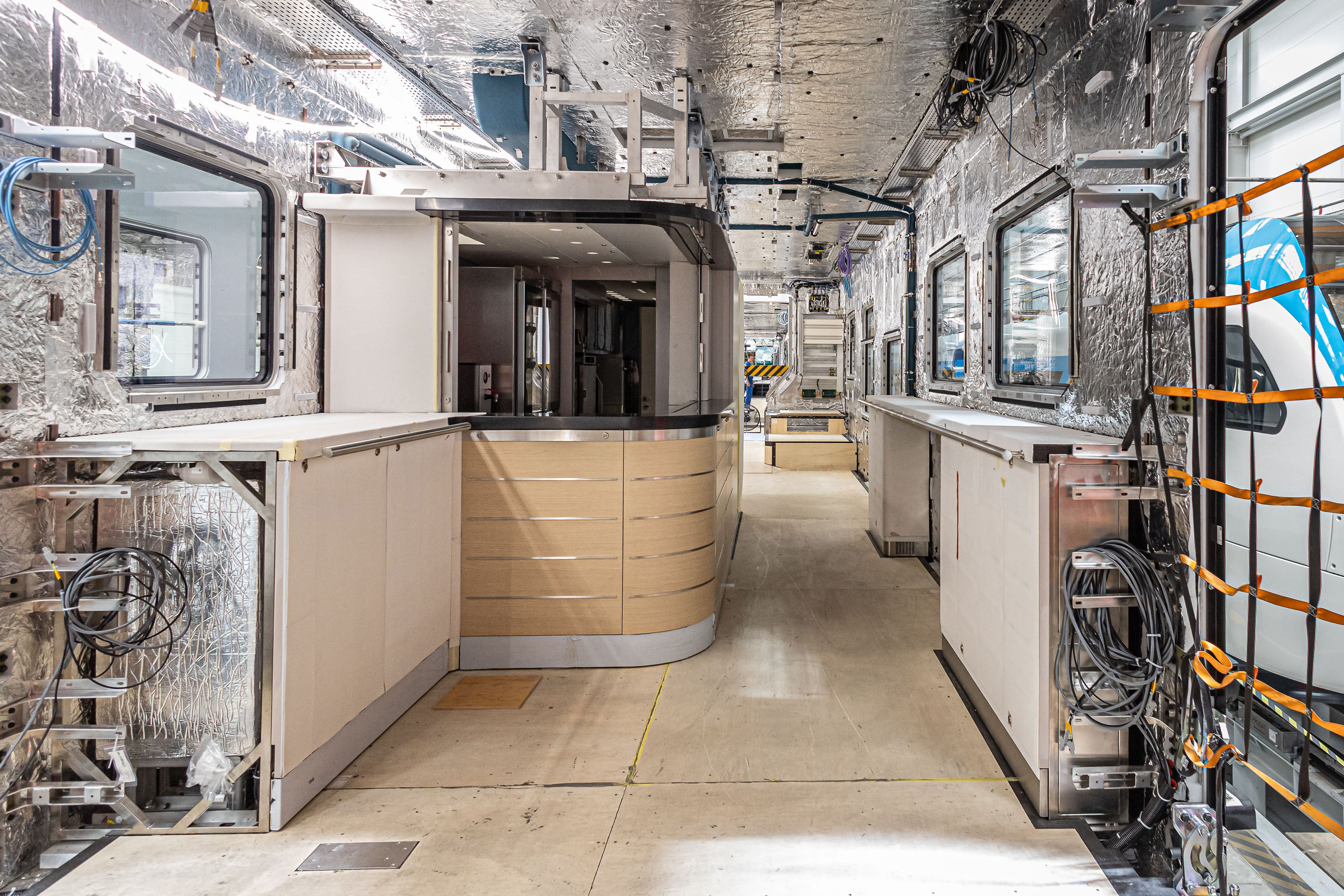
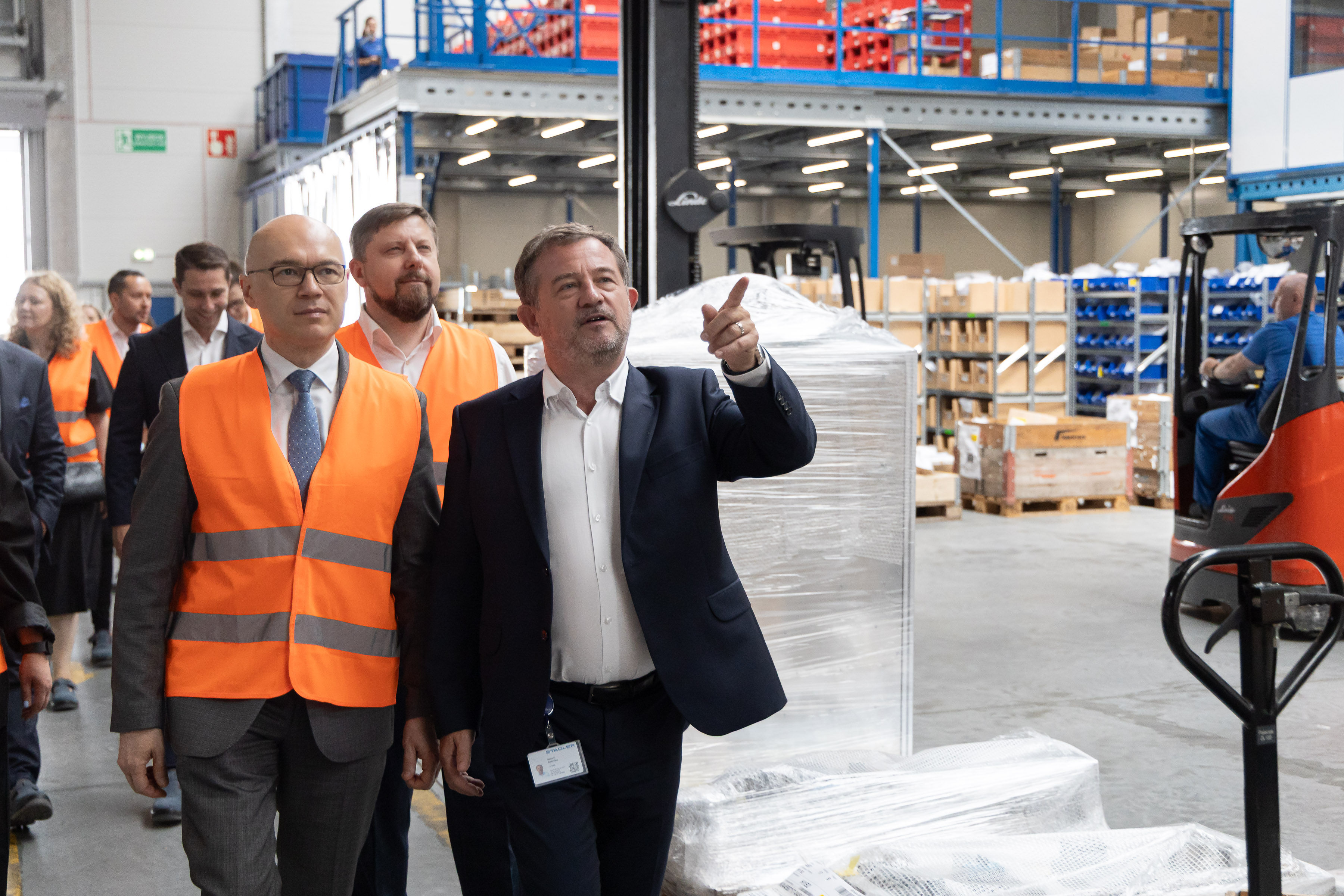
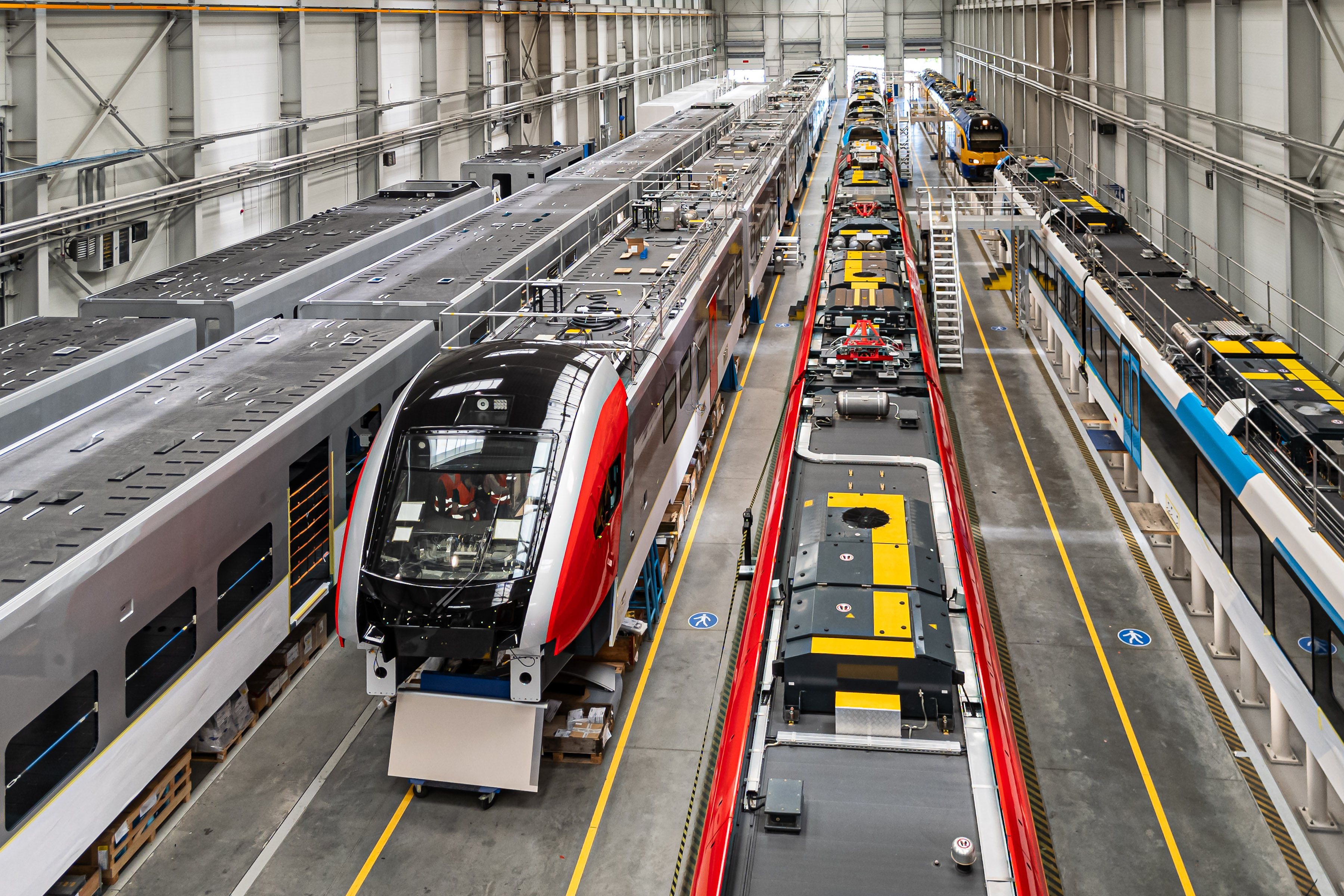
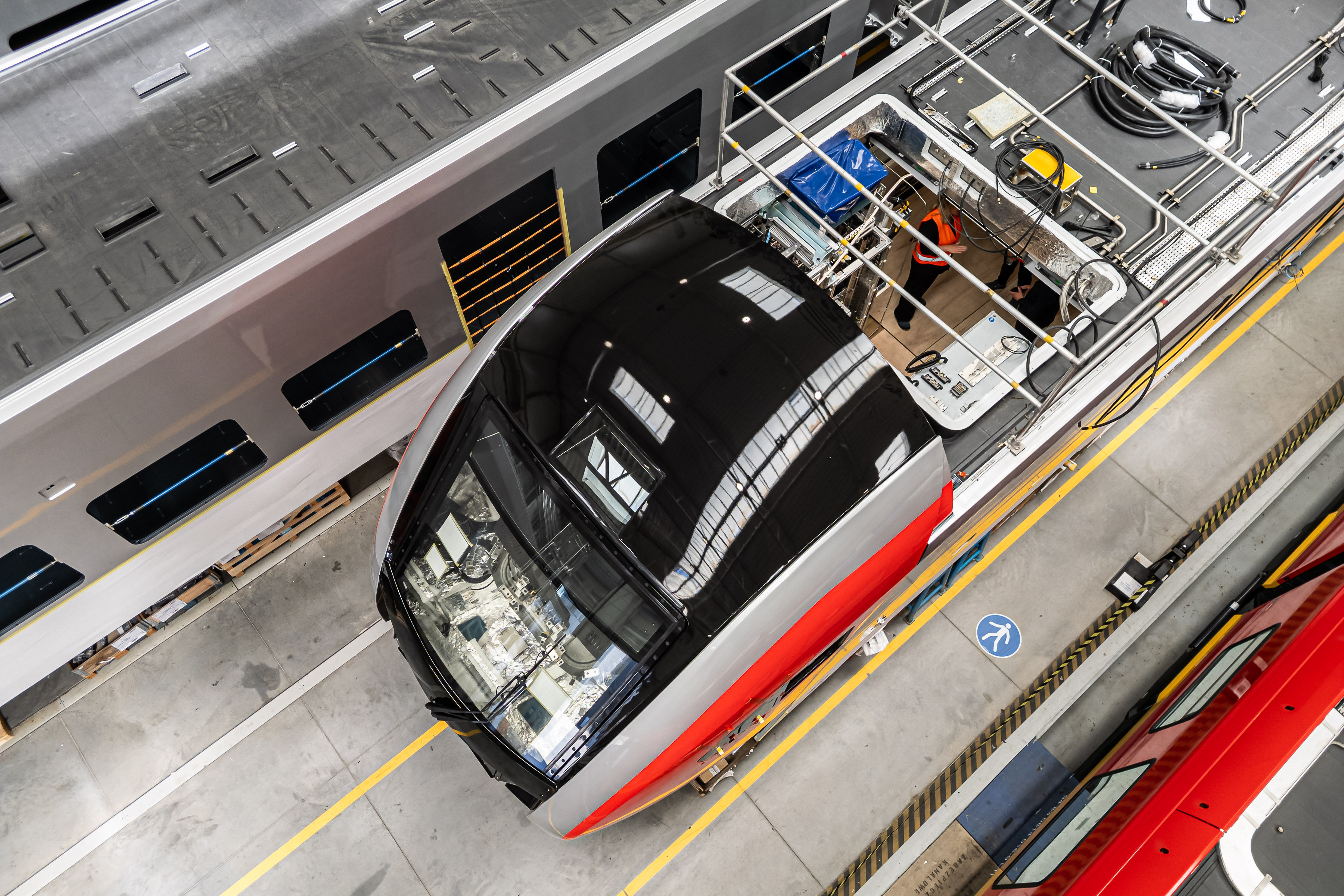
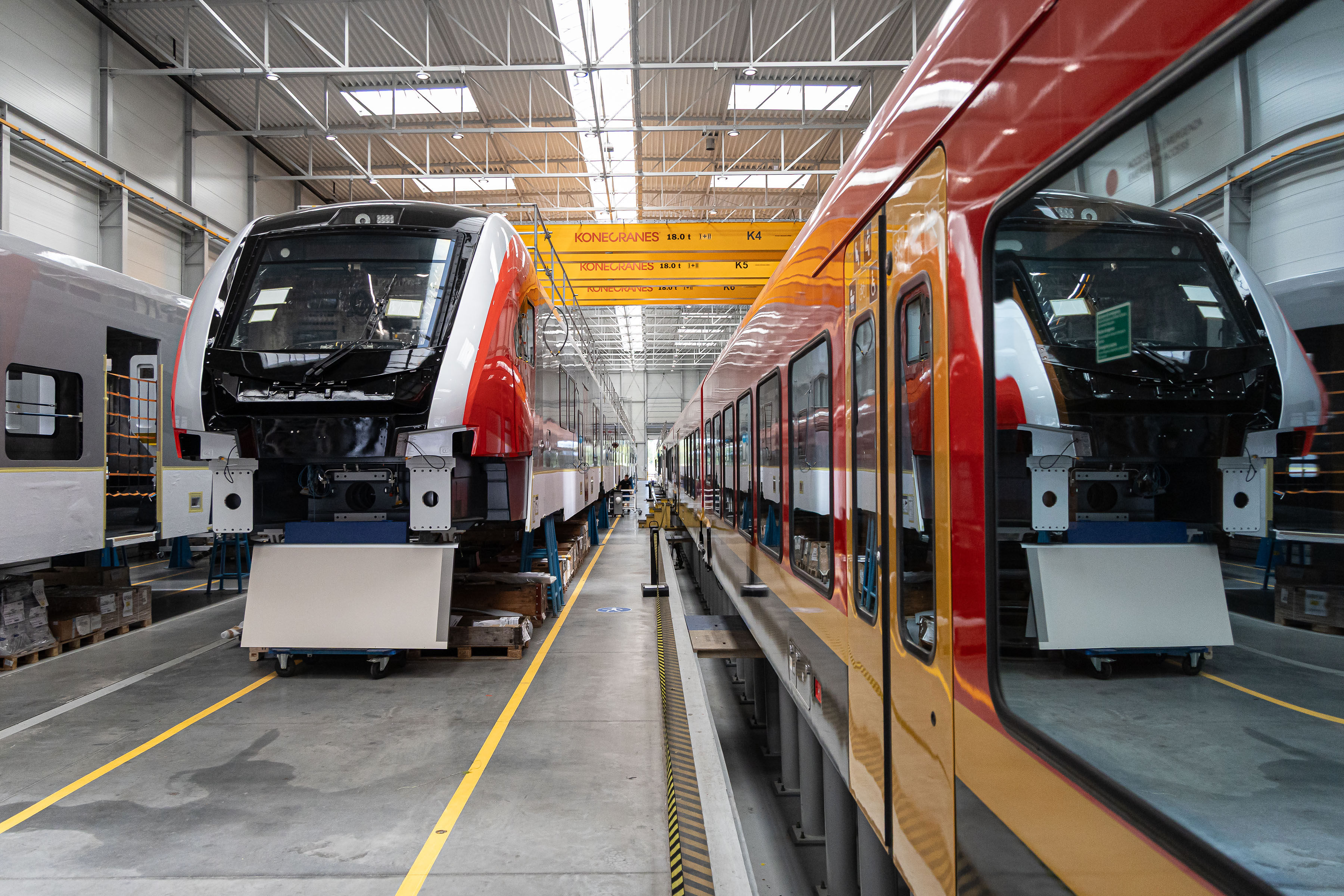
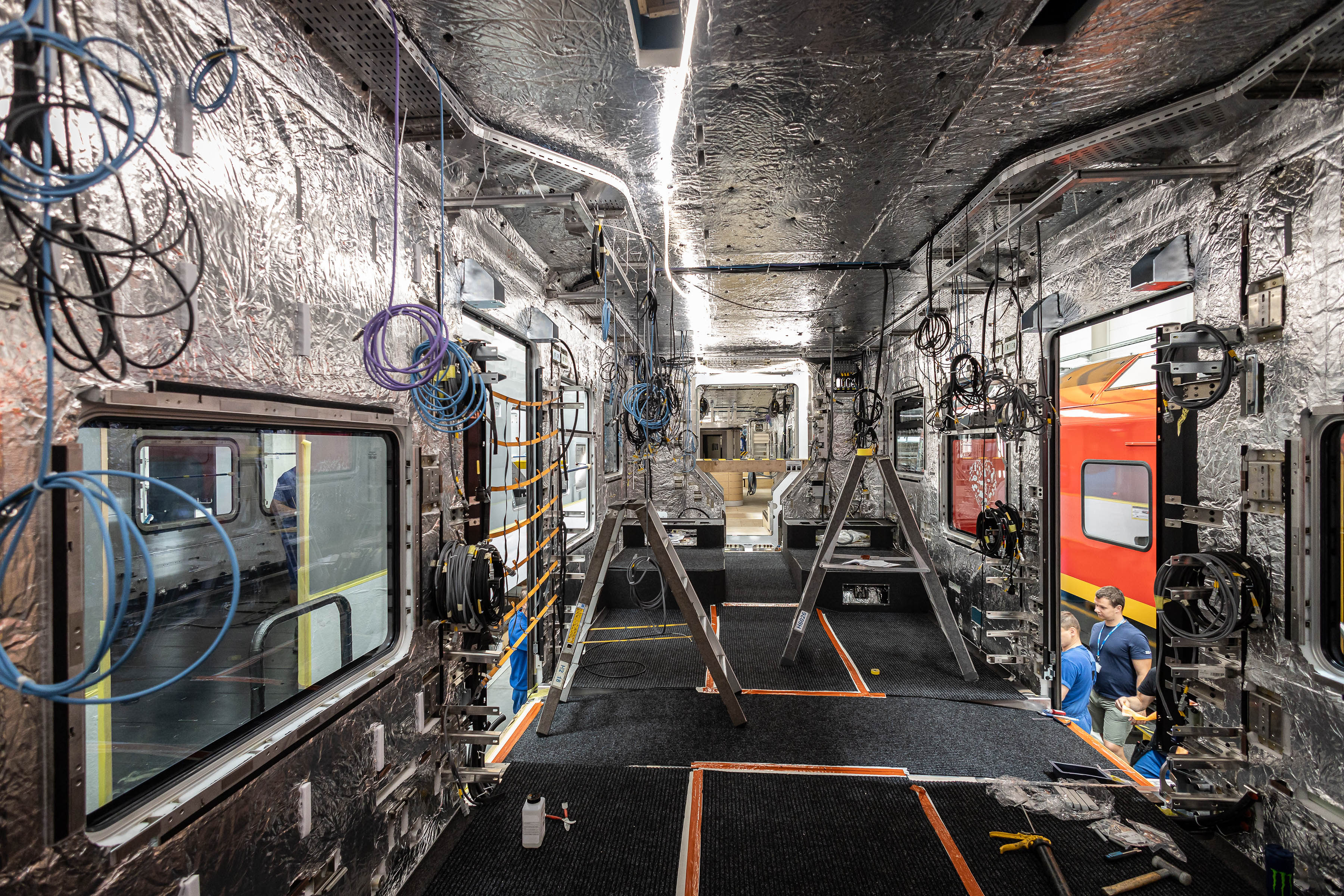
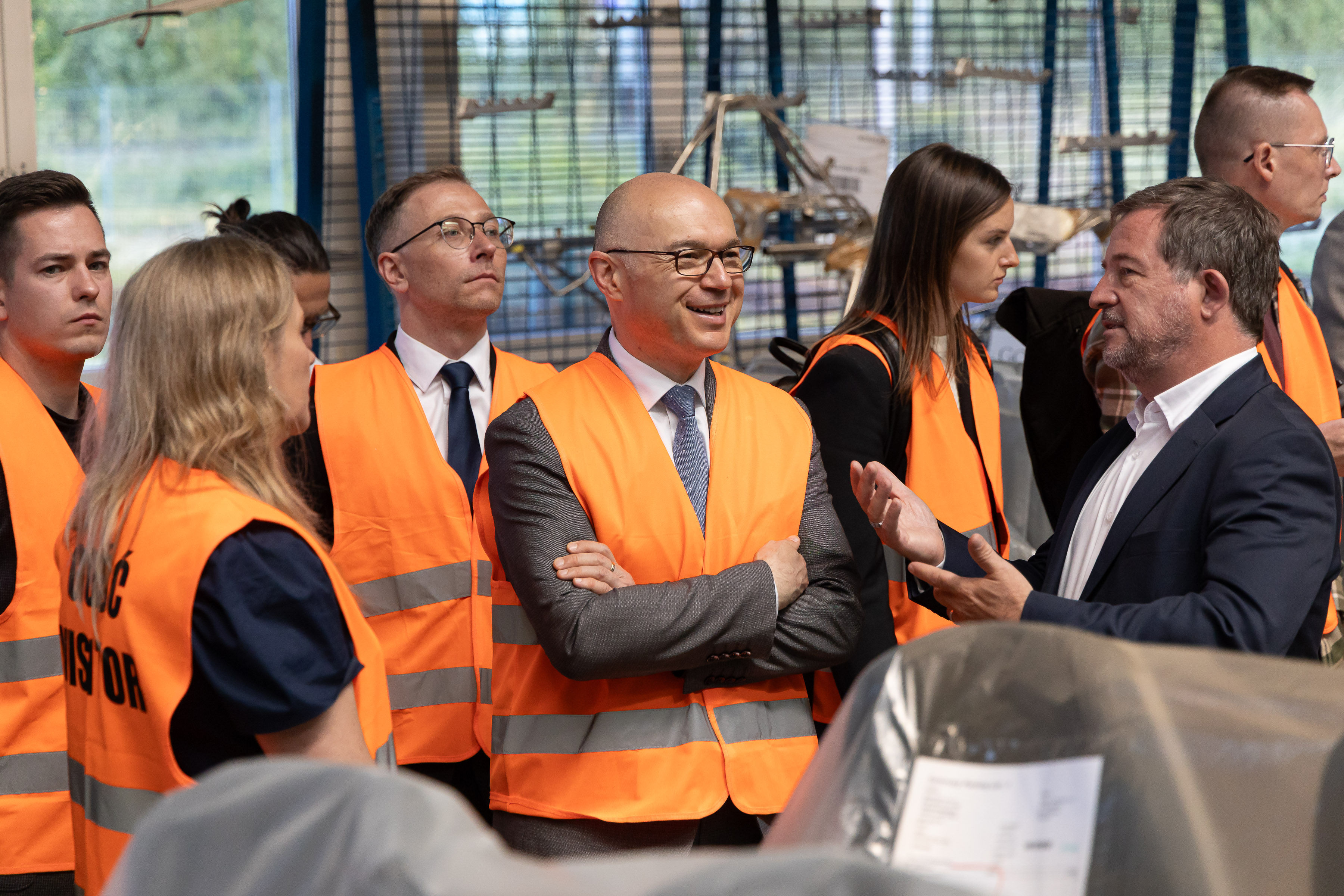
Lithuanian Minister of Transport and Communications Eugenijus Sabutis, LTG Group CEO Egidijus Lazauskas, LTG Link CEO Kristina Meidė, and a group of Lithuanian journalists visited the Polish factory of Swiss train manufacturer Stadler, located in Siedlce. During the visit, the delegation observed the manufacturing and assembly stages of Lithuania’s new electric trains. These trains will play a key role in making Lithuania’s transport system more sustainable – powered by electricity from renewable sources, they will run with nearly zero CO₂ emissions.
“These trains represent a tangible step toward a more modern, comfortable, and environmentally friendly transport system in Lithuania. I am confident that the new Swiss-manufactured trains will begin operating in Lithuania as early as next year. With new trains, travel will become quicker and easier for people in big cities and in the countryside alike. Most importantly, there will be enough seats for every passenger,” said Minister of Transport and Communications Eugenijus Sabutis.
The production of three trains – two electric and one battery-powered – is already halfway complete. Testing in Lithuania is scheduled to begin this autumn, and passengers will be able to travel on the new trains as early as 2026.
A total of 9 electric and 6 battery-powered trains are planned to operate on the Vilnius–Klaipėda, Vilnius–Varėna–Marcinkonys, and Kaunas–Šiauliai routes. While electric trains will serve fully electrified lines, battery-powered trains will run on partially electrified regional routes, seamlessly switching between contact lines and battery energy to ensure smooth travel even where infrastructure is limited.
“Fifteen new electric trains will replace one-third of our current passenger fleet. This marks the largest fleet renewal since the restoration of Lithuania’s independence. Thanks to their technical specifications, the trains being developed jointly by Stadler and LTG will be faster, more comfortable, and better suited to the needs of a wide range of passengers – from ergonomic workspaces to convenient features for people with reduced mobility,” noted LTG CEO Egidijus Lazauskas.
Every detail has been carefully considered to ensure passenger comfort
The team at LTG Link – the passenger transport company of LTG Group – has collaborated with designers to ensure that the new trains are both comfortable and accessible for all passenger groups.
“This is an important step toward building a cleaner and more sustainable transport system in Lithuania. We are fulfilling LTG Group’s commitment to promoting sustainable mobility,” said Kristina Meidė, Head of LTG Link. “These trains, which will begin serving Lithuanian residents and visitors as early as next year, will help foster a more modern and comfortable travel culture.”
The new electric trains operating on the Vilnius–Šiauliai–Klaipėda route will feature around 200 comfortable seats – nearly 30% more than the current trains in service. During peak hours, up to three trains can be coupled together, allowing for the transport of as many as 600 passengers at once.
The low-floor trains will be easier to board for seniors, passengers with prams or small children, and individuals with reduced mobility. The interior will also provide seamless movement throughout the train – with no steps between carriages and a layout designed according to universal design principles.
Passengers with reduced mobility will have the option to remain in their wheelchair or transfer to a nearby seat at a fixed table – with space provided for accompanying persons to sit close by.
The train design also includes flexible space for bicycles – depending on demand and the season, the trains will be able to accommodate up to 30 bicycles. During the colder months, most of the space for bicycles will be converted into comfortable seats, while at least four bicycle spaces will remain available throughout the year.
In addition, the new trains will feature both first and second class carriages, dedicated spaces for prams and pets, as well as a bistro area where passengers can order meals and purchase snacks and drinks.