

Minister Skuodis: during discussions on the environmental impact of the aviation sector, it is important to assess the need to improve air accessibility to all EU countries
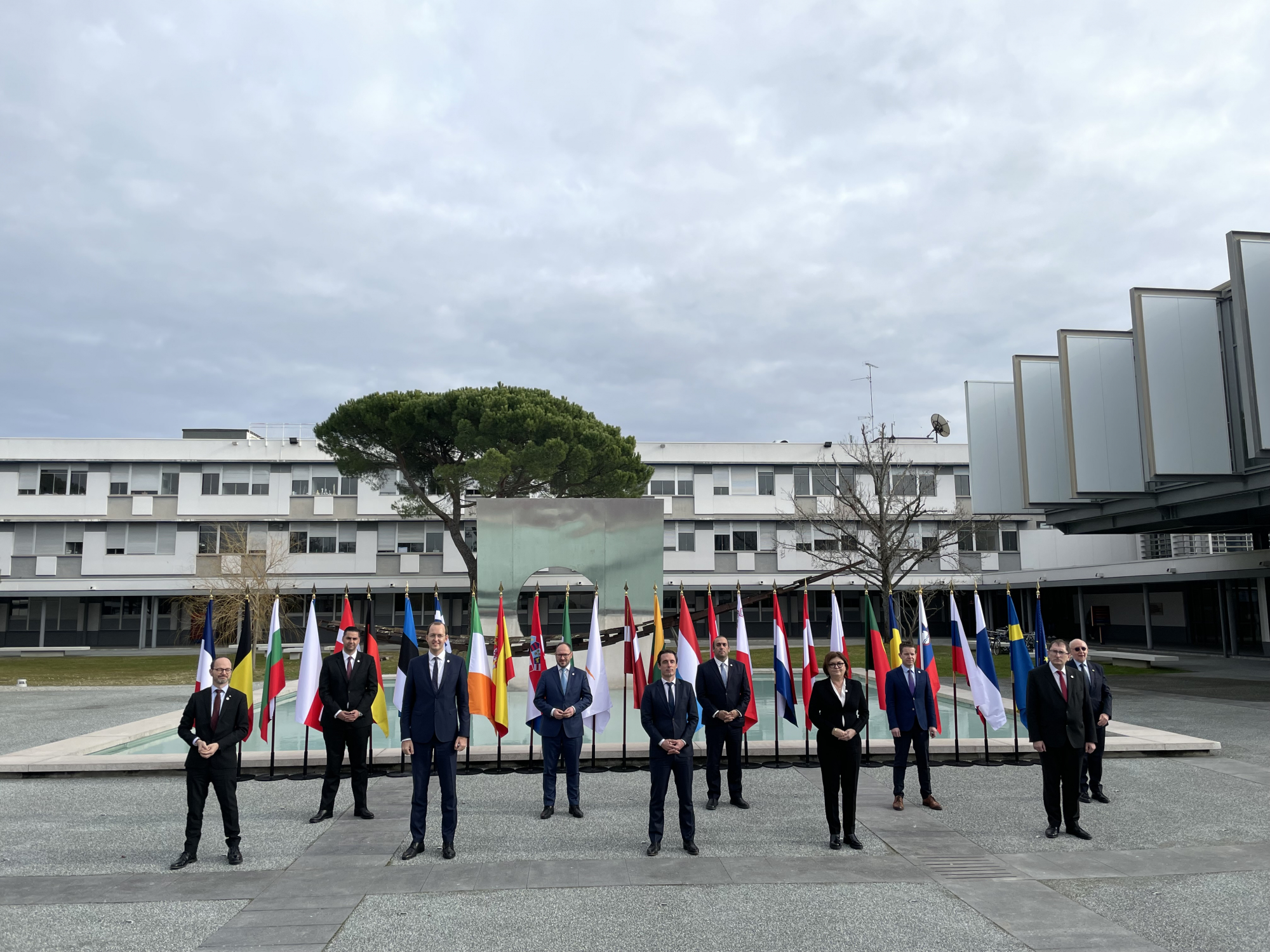
With regard to reducing the environmental impact of air transport, there is consensus that incentives should be sought for the aviation sector to switch to alternative fuels and renewable energy sources, but it is also important to ensure sustainable air accessibility to all European Union (EU) countries. The Minister of Transport and Communications of Lithuania Marius Skuodis expressed such an aim at the Aviation Summit taking place in Toulouse, France, on 3-4 February.
“The green transformation of the aviation sector is a topical issue and a EU priority axis to reduce the environmental impact of transport. However, when creating an advanced and sustainable European air transport network, it is crucial that convenient air connections are developed across the EU and environmentally friendly decisions are taken after assessing both the starting positions of each country and the overall impact of such changes on the competitiveness of the EU,” said Minister of Transport and Communications Marius Skuodis.
The European aviation sector is setting an ambitious target of net-zero carbon (CO2) emissions by 2050. Aviation is expected to use at least 5 % of sustainable aviation fuels by 2030, rising to 63 % by 2050. Having discussed the possibilities and specific ways to make the aviation sector more sustainable, EU transport ministers, meeting in Toulouse, adopted a joint declaration covering these targets.
According to the Minister of Transport and Communications of Lithuania, the aviation sector of the future will undoubtedly have to comply with the principles of sustainability. In line with the objectives of the EU Green Deal, the aim is to strengthen incentives by: investing in airport infrastructure, improving aircraft and engine technologies, and promoting the transition to alternative fuels, such as hydrogen, for use in aviation. At the same time, emphasis is placed on the need to ensure accessibility to all EU countries, while accelerating the recovery of passenger aviation after the pandemic.
During his speech at the meeting of EU ministers, Minister Skuodis drew attention to the progress made by the Lithuanian airports in reducing CO2 emissions. The country’s airports are renewing the transport fleet, changing lighting systems, as well as developing infrastructure for the storage and supply of sustainable aviation fuels. In January this year, the project for the reconstruction of the Vilnius Airport aerodrome was officially completed.
In 2021, almost 2.5 million passengers were served at Vilnius, Kaunas and Palanga airports, which is 37 % more than in 2020. At the end of last year, the Lithuanian airports recorded about 80 % of the number of pre-pandemic flights.