

Minister Skuodis to open the International E-Fuels Conference in Berlin, to sign a declaration on E-Fuels in Mobility
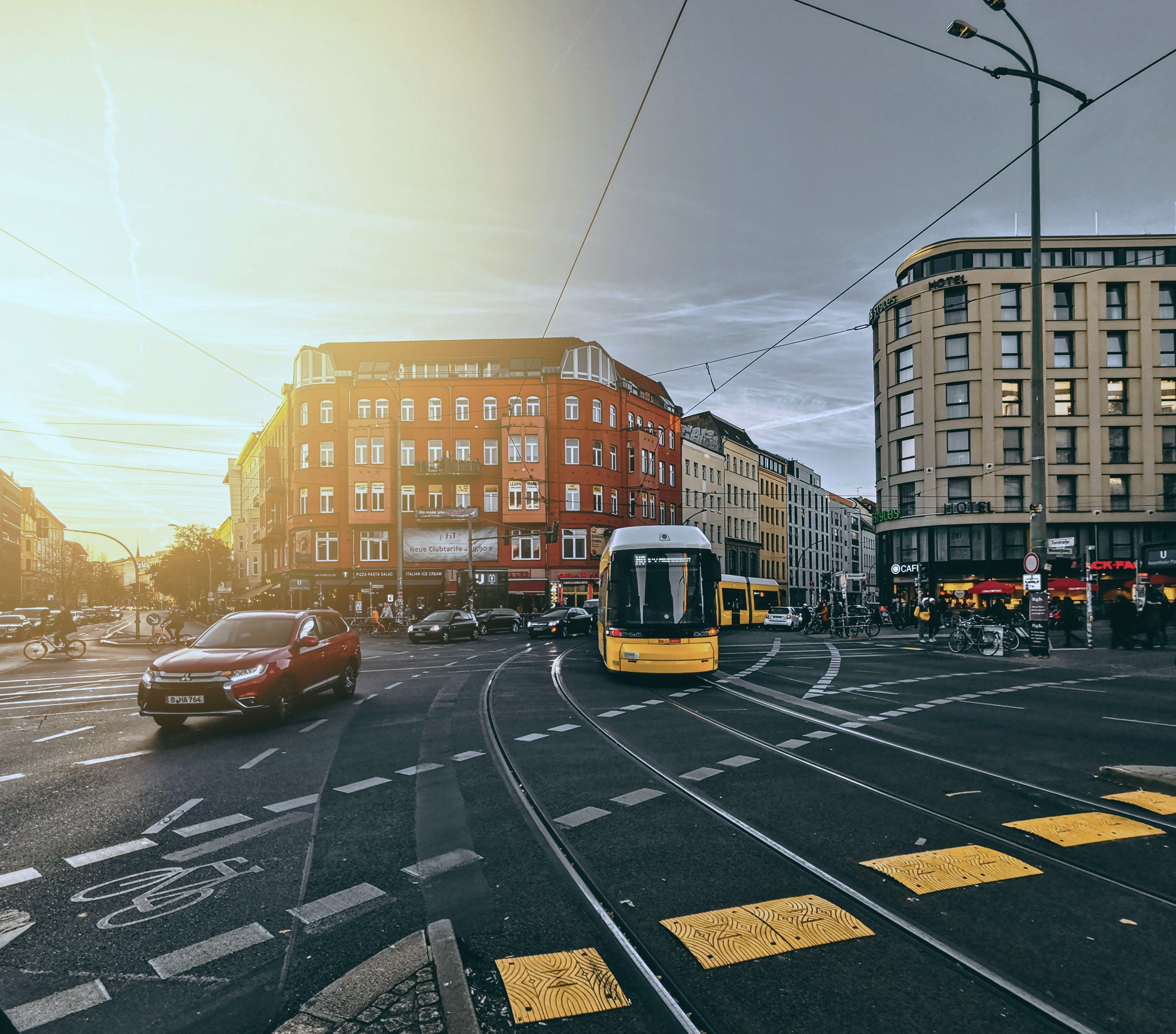
On Monday, Lithuanian Minister of Transport and Communications Marius Skuodis leaves for Berlin where along with Dr Volker Wissing, the German Federal Minister for Digital Affairs and Transport, and Mr. Taku Ishii, Parliamentary Vice-Minister of Economy, Trade and Industry of Japan, will open the International E-Fuels Dialogue 2024. During the visit, the Minister will sign a joint declaration on E-Fuels in Mobility.
At the international conference to be held in Berlin on 4 June, high-level representatives from politics, industry, business, academia and other relevant areas will discuss the issues on how to improve the sustainability of transport and the potential for the development of the e-fuel market in the transport sector.
The Joint Declaration by the Lithuanian, German and Japanese Ministries of Transport, that is expected to be signed at the event, aims to emphasize the intentions to strengthen cooperation and share experience in the development of e-fuel infrastructure, promoting the production and use of renewable energy-based fuels in all transport modes. Also, the required steps in developing the regulatory framework conducive to transport innovations will be addressed during the meetings.
Nearly CO2-neutral e-fuels are becoming increasingly important in aviation, shipping, logistics and other areas of transport. Synthetic fuels, also known as e-fuels or electro fuels, are liquid or gaseous fuels produced from renewable energy sources through chemical processes. These synthetic fuels can be used in existing diesel and petrol engines.
Currently, the production costs of synthetic fuels (e-fuels) are higher than those of fossil fuels, mainly due to the cost of renewable hydrogen and CO₂ capture technologies. The development of e-fuel production and infrastructure is considered as one of the most promising alternatives to polluting fuels in making efforts to combat climate change.
According to Minister Skuodis, Lithuania has the potential to become a significant player in the production and transport of green fuels in Europe having the needed facilities and know-how for producing e-fuels at Orlen company. The country has plans to increase production capacities in order to ensure the development of such fuels in the transport sector.
Lithuania sees itself as the future green energy hub in the Baltic region, where offshore wind will generate green electricity in the offshore wind farms planned to be built on the dedicated 100-hectare site. From 2030, Lithuania plans to generate 100% green electricity and to be an exporter of surplus green energy. The country’s transport sector is rapidly adopting sustainable solutions and innovations, the Port of Klaipėda is preparing to develop the infrastructure to produce green fuels (hydrogen) and refuelling stations.
This is the second annual International E-Fuels Conference held in Germany. At the invitation of the German Minister, Dr V. Wissing, Minister Skuodis also attended the conference organised in Munich a year ago.