Minister Taminskas Calls for Enhanced EU Protection of Critical Infrastructure and Joint Airspace Capabilities
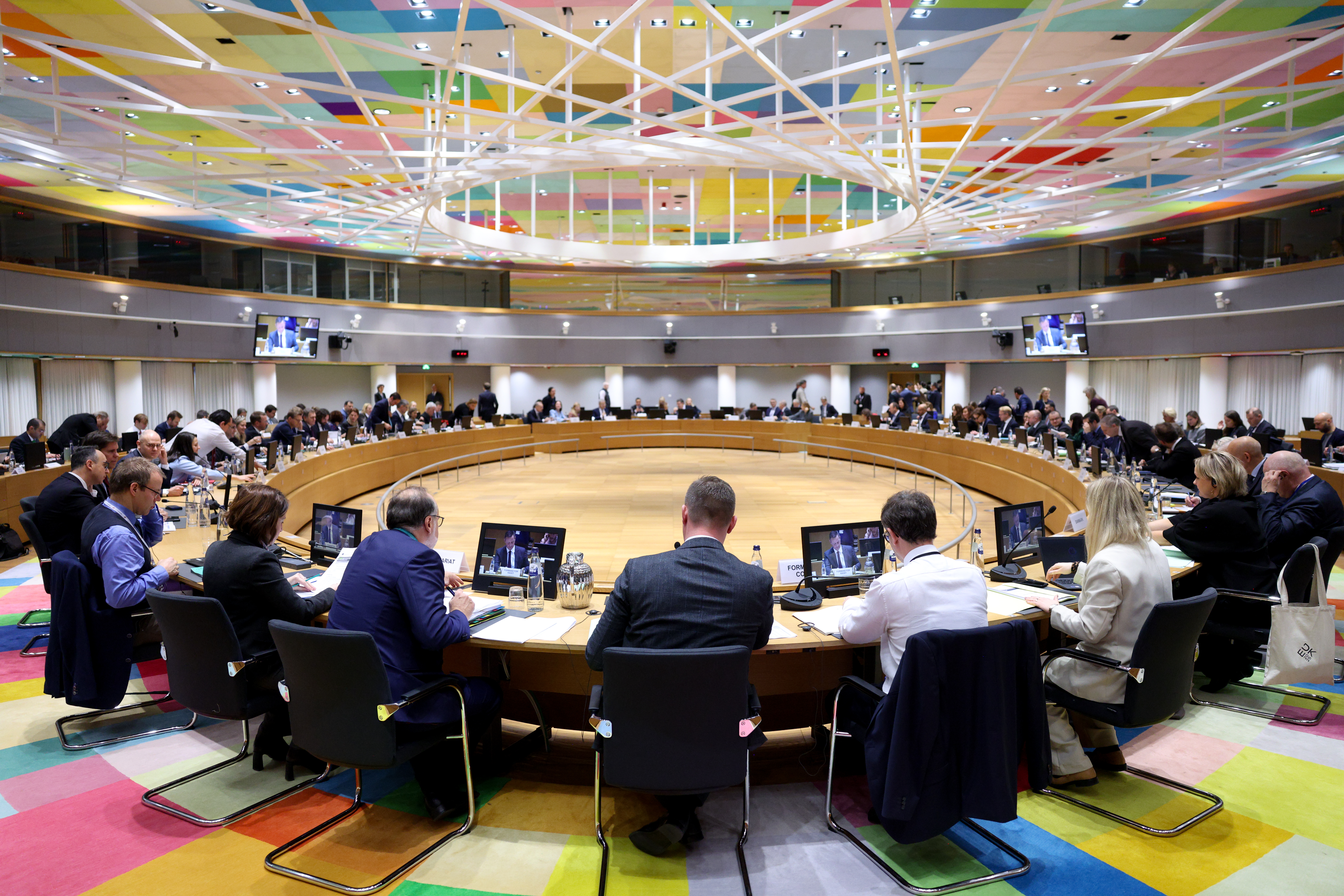
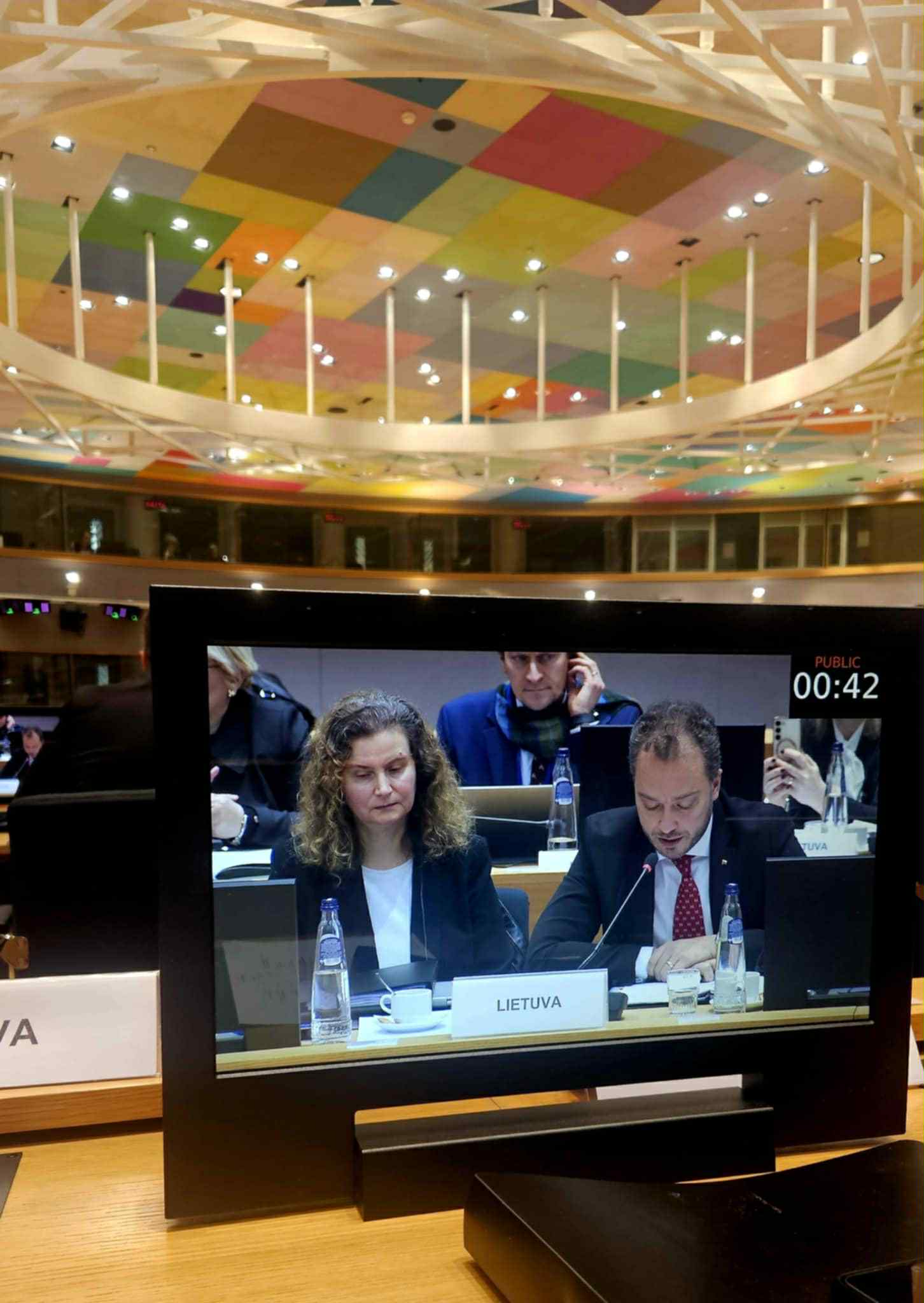
In Brussels, Juras Taminskas, Minister of Transport and Communications of Lithuania, informed EU transport and telecommunications ministers about the recurring incursions of balloons employed in hybrid attacks against Lithuania and called for enhanced protection of critical infrastructure, including joint anti-drone and air surveillance capabilities. He stressed that similar incidents are now occurring in other Member States, confirming that this is a broader hybrid threat to EU infrastructure and making coordinated action a necessity.
“Belarus’s hybrid attack on Lithuania is affecting not only Lithuanians but also citizens of other European countries. The threats continue to grow and spread geographically, with similar incidents observed in recent months in other states. We are seeing a clear trend of this activity becoming more coordinated and systematic, which is why hybrid attacks from Russia and Belarus can only be countered collectively,” Taminskas told EU ministers in Brussels.
The Minister calls on his counterparts for coordinated EU outreach to relevant international bodies. In response to the hybrid attacks, Minister Taminskas also proposed reinforcing the EU’s joint airspace capabilities, enhancing the protection of aviation infrastructure, and defining clearer responsibilities between civil aviation and law-enforcement authorities.
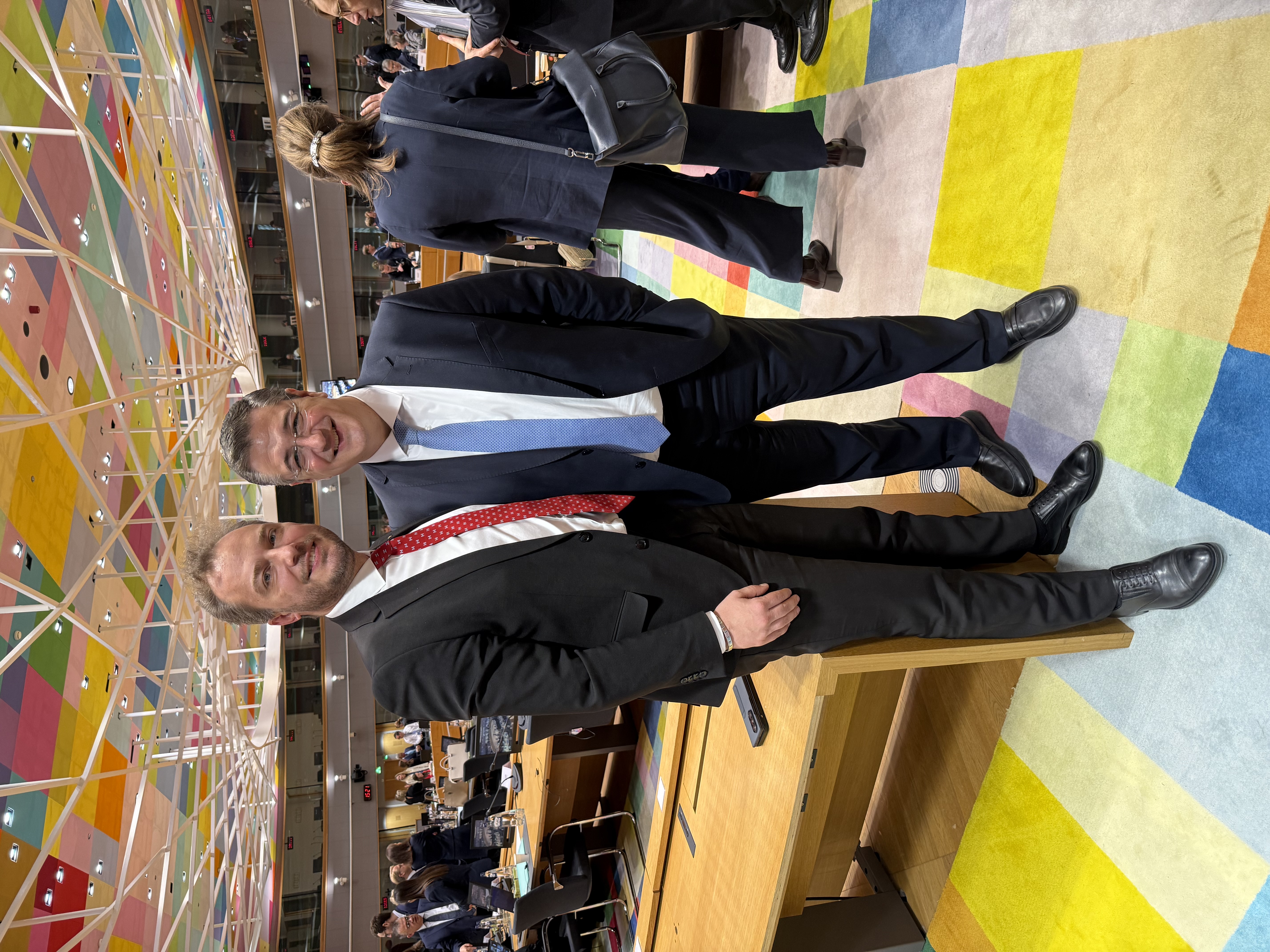
EU Commissioner for Sustainable Transport and Tourism Apostolos Tzitzikostas has expressed the EU’s solidarity with Lithuania and indicated that an on-site assessment should be undertaken in the near future.
Lithuania has informed the European Commission and the International Civil Aviation Organization (ICAO) about the ongoing hybrid attack, is gathering additional evidence, assessing the extent of the damage, and preparing to refer the case to the Court of Justice of the EU.
Due to the hybrid attack originating from Belarus, Lithuanian Airports had to suspend operations for more than 65 hours in October–November, disrupting over 320 flights and around 50,000 passengers.
Photos by the EU.