

Minister Taminskas calls for EU investment in drone detection systems
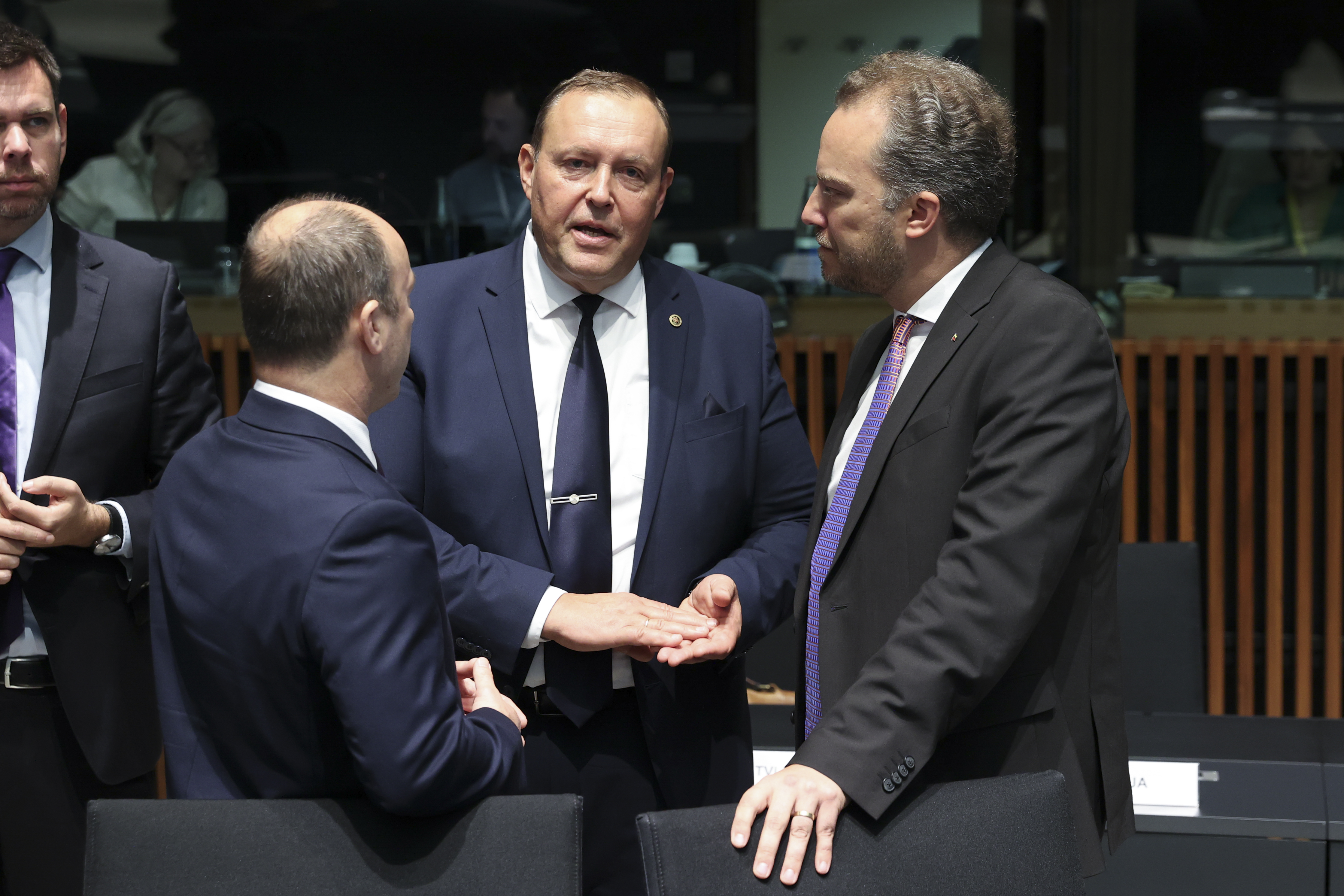
Amid a growing number of drone-related incidents along the EU’s eastern external borders, Lithuanian Minister of Transport and Communications Juras Taminskas calls for stronger monitoring, detection and response capabilities for unmanned aerial vehicles in the EU’s eastern flank.
According to the Minister, the EU must scale up investment in drone detection and counter‑drone systems, strengthen the protection of civilian transport infrastructure, and enhance the preparedness of transport operators, such as LTG and bus carriers, while ensuring the continuity of operations in times of crisis.
“Drone incidents in the EU’s eastern regions are a growing concern. A drone recently entered Romania and crashed into a residential building; in Latvia, an oil storage facility was damaged, and another drone was shot down in its airspace today. Earlier in Estonia, a downed drone fell just a few hundred metres from a residential building,” stated Minister Taminskas at the EU Transport, Telecommunications and Energy Council in Luxembourg.
The Minister noted that long-term sector resilience also depends on stronger cooperation between transport, civil protection and defence authorities, alongside improved working conditions, safety and workforce skills.
Minister Taminskas also drew attention to the need to accelerate the deployment of GPS‑resilient technologies and to modernise existing navigation infrastructure.
“People’s safety is our top priority. Counter‑drone systems are now protecting Klaipėda Seaport and Palanga Airport. These examples reflect our direction and commitment to strengthening transport sector resilience. I call on all entities under the Ministry’s responsibility to actively assess risks, introduce advanced technologies and strengthen cooperation to ensure the highest level of security across the transport system,” said Minister Taminskas.
The Council also discussed the role of EU seaports in enhancing connectivity, economic security and defence capabilities. For Lithuania, this issue is particularly relevant in the context of accelerating the southern expansion of the Port of Klaipėda.
The project foresees the creation of around 100 hectares of new land in the Port of Klaipėda water area, to support cargo handling, logistics, industry, green energy and military mobility. It also includes the construction of deep-water quays with a total length of approximately 1.3 km and the development of the southern port gate.
Work on the Klaipėda southern bypass is already under way, and the planning of the territories required for the project has begun.
Photo courtesy of the European Union