

Exploring Rail Baltica: a perspective of the global project’s environmental impact
In an era marked by an urgent need to address environmental concerns, Rail Baltica aims to offer eco-friendly and sustainable transportation in the region. The transport sector, while crucial for economic development, has long been one of the largest contributors to greenhouse gas emissions in Europe. However, the tide is turning, and rail transport is emerging as a healthier and more eco-friendly alternative. It aligns perfectly with the European Green Deal and simply makes common sense.
Recent data highlights the advantages of rail travel in reducing carbon footprints. Trains emit between 66 and 75 percent less carbon dioxide compared to cars and airplanes. This substantial reduction in emissions is not only environmentally responsible but also economically sensible. Rail transport has not only excelled in reducing emissions but has also increased its passenger and freight capacity, further enhancing its appeal as a sustainable mode of transportation.
One of the features of Rail Baltica is its commitment to environmental conservation. The project aims to minimize its impact on the natural world, incorporating measures in line with Natura 2000 guidelines. Natura 2000, a network of protected areas in the European Union, serves as a safeguard for valuable habitats and species.
“To ensure the preservation of these vital natural environments, Rail Baltica conducts comprehensive site investigations. These include geological assessments and biodiversity monitoring, which encompasses studies of mammals and birds, vegetation, and landscape specifics,” said Iveta Jēgere, Spatial Planning and Environmental Team Leader at RB Rail AS.
Throughout the design phase, each solution is carefully evaluated from an environmental perspective. Factors such as noise and vibrations, animal migration patterns, and other ecological aspects are considered. Rail Baltica has undertaken numerous studies to analyze mammal movement in the project area, resulting in the incorporation of wildlife passages and tunnels along the 870-kilometer railway line. These critical features will allow animals, both large and small, to safely migrate. Furthermore, Rail Baltica will introduce noise barriers and dampers to significantly reduce noise and vibration levels, ensuring minimal disruption to nearby communities and the environment.
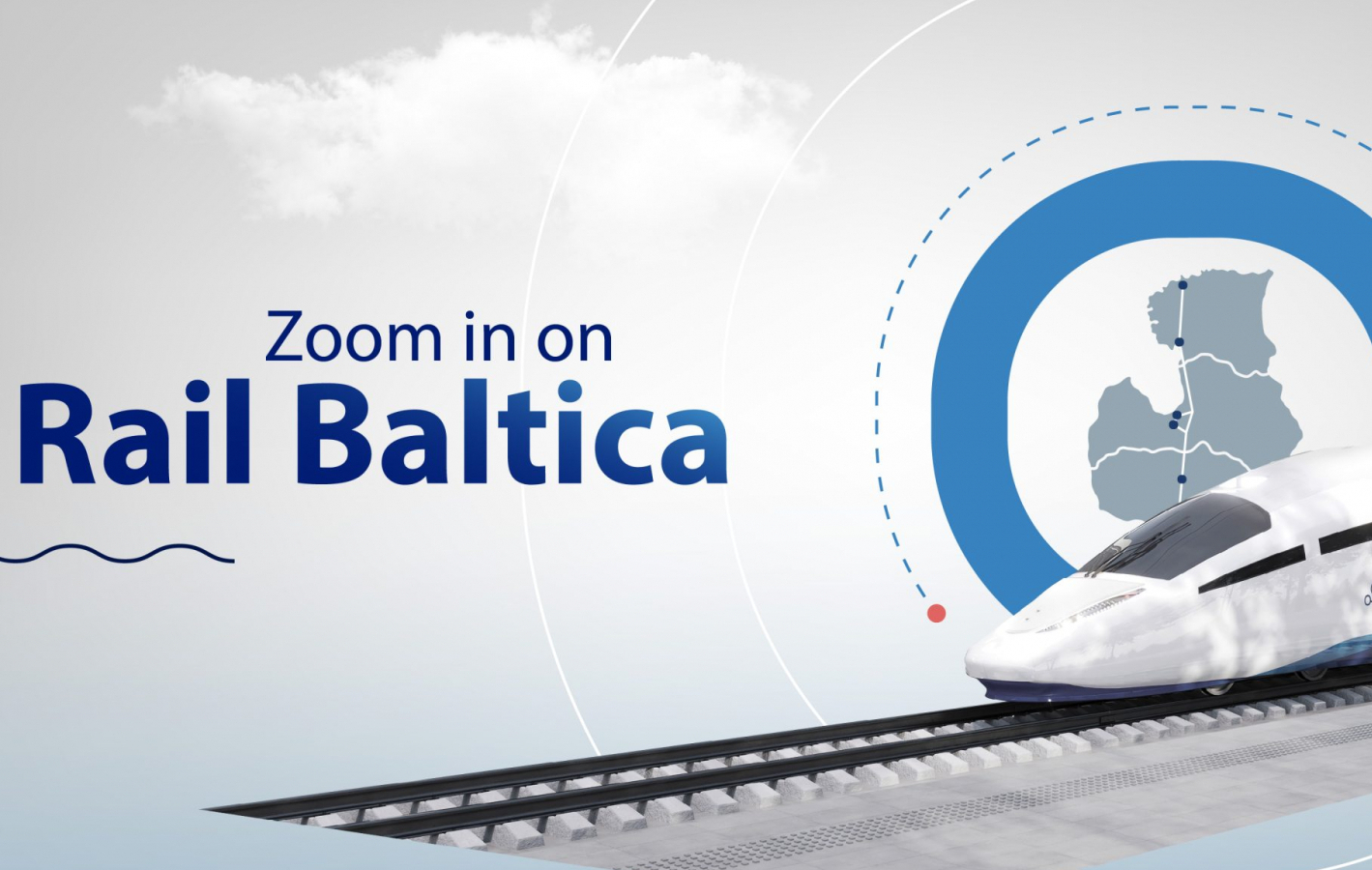
The new video episode of “Zoom in on Rail Baltica” provides a deeper overview of the different environmental aspects considered as part of the development of the new high-speed infrastructure.
Watch the previous 4 episodes related to the planning and implementation of the Rail Baltica electrification system, the application of digital tools for efficient project planning and implementation, design process and wider benefits.
Source: Rail Baltica Official Website
.jpg)